How to cook simple sticky rice with gac and coconut milk at home?
Sticky rice with gac and coconut milk with its rich, fatty taste is a dish loved by many people. In a hurry in the morning, just eat a package of sticky rice to be full until noon. The way to prepare this sticky rice dish is also extremely easy, with just a little ingenuity, you will have a bowl of sticky rice with gac and coconut milk rich and delicious. Let's learn with vietseafarm the recipe for simple sticky rice with gac and coconut milk at home?
.png)
Advantages of cooking sticky rice with gac and coconut milk
Sticky rice with gac and coconut milk is a familiar traditional dish in the holidays, weddings or death anniversaries of Vietnamese people. Not only does it have a bright red color symbolizing luck and happiness, this dish also conquers diners with its characteristic rich, delicious and smooth flavor. When combining ripe red gac and fragrant coconut milk, the sticky rice dish becomes more attractive than ever. One of the outstanding advantages of cooking sticky rice with gac and coconut milk is the perfect blend of flavor and nutrition, creating a dish that is both delicious and good for your health.
First, sticky rice with gac and coconut milk has high nutritional value. Gac is a fruit that contains a lot of beta-carotene, lycopene and vitamins A and C - antioxidants that help increase resistance, protect the skin and eyes. Meanwhile, coconut milk is rich in vegetable fat, protein, and minerals such as potassium, calcium, and magnesium, which help supplement energy, moisturize the body and support the digestive system. The combination of these two ingredients makes the sticky rice dish not only delicious but also nutritious, suitable for all ages.
Second, this sticky rice dish has a delicious flavor, is easy to eat and creates a feeling of fullness for a long time. Coconut milk helps each grain of sticky rice become more shiny, soft and fatty without being greasy. The natural gac flavor blends with the aroma of new sticky rice to create a unique and unforgettable flavor. When eaten with a little roasted sesame salt or grated coconut, sticky rice with gac and coconut milk brings a rich taste experience, appealing to both adults and children.
Thirdly, sticky rice with gac and coconut milk means luck and prosperity, often chosen to offer to ancestors or to entertain guests on important occasions. The bright orange-red color of gac symbolizes wealth, prosperity and complete happiness, so this dish is not only delicious but also contains profound spiritual value.
Finally, the great advantage of sticky rice with gac and coconut milk is that it is easy to make and preserve well. The ingredients are simple, easy to find, the cooking process is not too complicated, just a little ingenuity is needed to create delicious, shiny sticky rice. In addition, sticky rice with gac can be cooled, steamed again and still retain its stickiness and flavor, very convenient for parties or to take away.
.png)
How to cook simple sticky rice with coconut milk at home?
Sticky rice with coconut milk is a familiar traditional dish, not only has a delicious, fatty flavor but also has a bright orange-red color symbolizing luck, happiness and prosperity. This dish often appears during Tet holidays, weddings or ancestral worship ceremonies. However, you can completely cook sticky rice with coconut milk at home to enjoy with your family without too many complicated steps.
Ingredients to prepare
500g of good sticky rice (yellow sticky rice is the ideal choice because the grains are sticky and fragrant)
1 ripe red gac fruit (or 200g of frozen gac pulp if available)
150ml of thick coconut milk
100g of white sugar
1/2 teaspoon of salt
1 tablespoon of white wine (to help the gac color and remove the pungent smell)
A little shredded coconut or roasted sesame seeds to eat with
How to make
Step 1: Prepare the sticky rice
Wash the sticky rice several times until the water is clear, then soak it in cold water for at least 6-8 hours or overnight to make the rice softer and stickier when steamed. After soaking, rinse it lightly, drain the water and mix it with 1/2 teaspoon of salt to make the sticky rice more flavorful when cooked.
Step 2: Prepare the gac fruit
Cut the gac fruit in half, take the red pulp inside and put it in a bowl, add 1 tablespoon of white wine and gently squeeze it with your hands to separate the gac pulp from the seeds. Strain through a sieve if you want the sticky rice to be smoother, or you can keep it so that the gac seeds create a natural highlight for the dish.
Step 3: Mix the rice with the gac
Put the drained sticky rice into a large bowl, add the prepared gac pulp, mix well until the sticky rice grains are evenly coated with the orange-red color. Leave for about 15-20 minutes for the rice to absorb the gac color, helping the sticky rice to have a more beautiful color when steamed.
Step 4: Steam the gac sticky rice
Put the gac rice into the steamer, spread it evenly so that the steam evaporates evenly. Steam over high heat for about 25-30 minutes. When the sticky rice grains are almost cooked, open the lid and sprinkle 100ml of coconut milk evenly over the sticky rice, mix gently, then cover and steam for another 10-15 minutes to let the sticky rice absorb the fatty flavor and become shiny.
Step 5: Finishing the sticky rice
After steaming, you can put the sticky rice in a large bowl, drizzle with the remaining 50ml of coconut milk and 100g of sugar, mix well while the sticky rice is still hot so that the coconut milk seeps into each grain of sticky rice. Finally, put the sticky rice on a plate, sprinkle some shredded coconut or roasted sesame on top to enhance the flavor.
Finished product
Successful sticky rice with gac and coconut milk will have a bright orange-red color, the sticky rice grains will be soft but not mushy, with a light aroma of gac mixed with the rich taste of coconut milk. When eating, you will feel the sweet taste mixed with the right amount of fat, bringing a feeling of fullness for a long time and is extremely attractive.
.png)
Notes for cooking delicious sticky rice with coconut milk at home?
To achieve beautiful color, flavor and nutrients, choosing ingredients is key. Choose good sticky rice (yellow flower sticky rice or new regular sticky rice, full grains, not moldy) because the stickiness and aroma will directly affect the texture of the sticky rice. For gac, prioritize soft ripe fruit, bright red skin, bright red flesh and light aroma; if you don't have fresh gac, you can use frozen gac pulp or gac essential oil/extract but be careful to adjust the amount to keep the color natural. Coconut milk should be pure or a reputable product, without sugar or flavoring - the cream will help the sticky rice shine, be more fatty and fragrant. In addition, prepare a little white wine/rice wine (a small spoon) to squeeze the gac to help the color become more beautiful and remove the pungent smell; prepare more shredded coconut, sesame/roasted peanuts for decoration if you like.
Notes on preparing rice and gac before mixing
Sticky rice must be washed thoroughly until the water is clear and then soaked for enough time (at least 4-6 hours, preferably overnight) so that the grains absorb water evenly, and when steamed, they will soften without breaking. After soaking, drain thoroughly so that when mixed with gac, the sticky rice will not be too wet and will be sticky; if the rice is still very moist, spread it out on a basket to drain for at least 10-15 minutes. With gac, separate the red pulp, use a spoon to squeeze out the gac oil or squeeze it with a little wine to loosen the fibers, filter through a sieve if you want an even and smooth color; do not mix gac with rice too early, but mix just enough, let the rice absorb the color for about 10-20 minutes before steaming so that the color is even without oxidation. If using frozen gac pulp, defrost completely and squeeze out excess water before mixing.
Notes on ratios, spices and mixing methods to make the sticky rice have the right color and sweetness
The ratio of rice to gac usually depends on taste, but for 1 kg of sticky rice, use about 1 medium gac fruit (or 150–200 g of gac pulp) to make the color clear but not overpower the smell of sticky rice. Add about 1/2–1 teaspoon of salt to the rice when mixing to enhance the flavor, and the amount of sugar if you want it to be slightly sweet (usually sticky rice with gac does not have too much sugar; you can sprinkle sugar when eating). When mixing, use clean hands or gloves, mix gently so that the gac covers each grain of rice evenly, avoid mixing too hard and breaking the grains. If you are afraid that the gac will stick to your hands, mix the gac with 1–2 tablespoons of cooking oil or 1 tablespoon of wine/cooking oil to help the color stick evenly and shine more beautifully.
Notes on steaming techniques to make sticky rice soft, shiny and not wet
Steaming sticky rice properly determines the result: before putting the rice in the steamer, boil the water vigorously and then place the steamer in; spread the rice evenly, not too high so that the steam evaporates evenly. Do not open the lid for the first 10–15 minutes to avoid losing steam and making the sticky rice deflate. If you are worried about water dripping from the lid onto the sticky rice, cover the pot with a clean, damp towel or place a thin towel under the lid to absorb the condensation. After steaming for 20–25 minutes, test a few grains; when they appear to have expanded relatively, sprinkle a little coconut milk (about 80–150 ml for 500g of rice, depending on taste) evenly over the sticky rice and mix gently, continue steaming for another 10–15 minutes to let the sticky rice absorb. The heat must be maintained evenly; if the heat is too high, the heat will cause the sticky rice to cook unevenly or burn the bottom; if the heat is too low, the sticky rice will take a long time to cook and will easily break.
Notes on using coconut milk: dosage, time to add and how to cook the milk to drizzle
Choose pure coconut milk, the first part will give the fat and make the sticky rice shiny. Do not add all the milk right from the beginning because it can make the sticky rice wet; instead, divide it into two parts: a small part to drizzle when the sticky rice is almost cooked to absorb, the remaining part is the milk to drizzle when serving. If you want to make a thick milk to drizzle, dilute a little tapioca starch with water and add it to the hot coconut milk pot, stir until it is slightly thick - this helps the milk to coat the sticky rice grains without worrying about the oil separating. When cooking the milk, always keep the heat low, stir constantly to avoid separating the oil and losing the smell.
Notes on the order and time of mixing spices to avoid discoloring or making the sticky rice tough
Mix the salt, gac fruit and oil/wine first and then mix it into the rice; if adding sugar, add a small amount, can adjust after steaming. Do not mix coconut milk into raw rice as it will reduce the ability to steam evenly; only sprinkle coconut milk when the sticky rice is almost cooked. If you want the sticky rice to have a pandan aroma, you can put a few pandan leaves at the bottom of the steamer or sprinkle diluted pandan essential oil evenly before steaming; avoid adding it directly to the rice in a concentrated form as it will wet the sticky rice.
Notes on utensils and hygiene to ensure food safety
Steaming utensils, steamers, towels, and mixing bowls must be clean and dry before use. If using a wooden steamer or an old aluminum pot with an odor, wash it thoroughly and rinse it with boiling water to avoid strange odors affecting the sticky rice. When mixing gac fruit, use clean gloves to ensure hygiene; keep the processing area clean to avoid insects or contamination. If making sticky rice for offerings or gifts, print the bag/box before stacking the sticky rice to keep the heat and avoid moisture.
Notes on preserving sticky rice with gac fruit and coconut milk and how to reheat it to make it delicious
Sticky rice with gac fruit is best eaten while it is still warm; If you have to preserve, let it cool, then put it in a sealed container, refrigerate and use within 24–48 hours. When reheating, steam it for 5–10 minutes to heat it evenly and regain its stickiness; if using a microwave, cover the surface with a damp cloth and heat on medium power to avoid drying it out. When reheating, you can drizzle a little diluted coconut milk or cooking oil to make the sticky rice shinier and richer.
Notes on nutrition and portion size to avoid eating too much sugar/fat
Sticky rice with gac fruit and coconut milk is nutritious but high in energy; control portion sizes appropriately (1 small portion for adults) and limit adding too much sugar or coconut milk to each portion. People who are overweight, have high blood fat or diabetes should eat in moderation, can reduce the amount of coconut milk or use coconut milk diluted with unsweetened nut milk to reduce calories.
Notes on common problems and quick fixes
If the sticky rice is mushy due to excess water, spread it on a tray and steam it again over a slightly higher heat to drain the water; If the sticky rice is dry and the grains are loose, add a little diluted coconut milk or sprinkle with warm water before steaming again. If the sticky rice is not evenly colored, you can mix in a little gac pulp mixed with cooking oil and mix lightly before steaming again. If the gac has a pungent smell, wash it lightly or use alcohol/cooking oil to remove it before mixing.
.png)
Where can I find reputable coconut milk ingredients to cook quality sticky rice?
When cooking sticky rice dishes such as sticky rice with gac fruit, sticky rice with beans, sticky rice with purple leaves or sticky rice with coconut, coconut milk is the "soul" that creates the fatty and fragrant flavor, making the dish more rich and attractive. However, to have a standard flavor and safe for health, choosing a quality source of coconut milk is extremely important. Among the current brands, VietSeaFarm is considered one of the leading prestigious units in providing pure coconut milk, meeting both domestic and export standards to the international market.
VietSeaFarm specializes in producing and distributing coconut milk extracted from 100% pure fresh coconut meat, undiluted, without preservatives or artificial flavors. Thanks to the application of modern cold pressing technology, VietSeaFarm's coconut milk retains its natural flavor, while preserving the amount of coconut oil and valuable nutrients in coconut meat such as vegetable fat, vitamin E, iron and potassium. This helps the coconut milk have a characteristic fat content, smooth white color, when cooked, it gives off a natural, fragrant flavor, not harsh and does not separate oil.
A big plus point of VietSeaFarm is that the production process meets HACCP and ISO 22000 food safety standards, ensuring that the stages from selecting coconuts to pressing, filtering, sterilizing and packaging are strictly controlled. The source of raw coconuts is taken from famous growing areas in Ben Tre, Tra Vinh and Soc Trang, where the climate and soil characteristics help the coconut meat to be thicker, more fragrant and fatty than coconuts from other regions.
Not only serving domestic demand, VietSeaFarm coconut milk is also exported to many large markets such as Japan, Korea, the US and Europe, meeting strict standards on quality and food safety. The presence in these demanding markets is a clear testament to the prestige and class of Vietnamese brands in the field of agricultural processing.
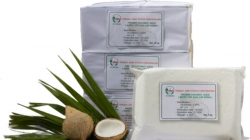
VietSeaFarm coconut milk products are packaged in a variety of forms — from boxes, bags or large cans — suitable for both individual consumers and production facilities, restaurants and eateries. Thanks to its convenience, users can use it immediately without filtering, saving time while still maintaining the delicious quality of fresh homemade coconut milk. When used to cook sticky rice, just sprinkle a sufficient amount when the sticky rice is almost cooked or mix after steaming, the rich flavor will spread evenly, helping the sticky rice to be fragrant and have a beautiful shine.
In addition, VietSeaFarm also focuses on green and sustainable factors, using environmentally friendly packaging and a production process that minimizes waste, contributing to protecting the coconut ecosystem in Vietnam. This is also the reason why this brand is trusted by many chefs, restaurants, and consumers. If you are looking for a reputable, high-quality coconut milk ingredient to cook sticky rice, VietSeaFarm is the perfect choice. The product not only brings a natural, fatty, fragrant flavor but also ensures safety, convenience, and meets international standards. With VietSeaFarm, each batch of sticky rice will not only be delicious but also rich in the essence of Vietnamese coconut - both traditional, modern, and safe for health.
Reference: https://vietseafarm.com.vn/how-to-make-thick-coconut-milk-that-you-should-know
Views: 453
 Dec 11, 2025
- 0
 Dec 9, 2025
- 0
 Dec 9, 2025
- 0
 Dec 9, 2025
- 0
 Dec 8, 2025
- 0
 Dec 8, 2025
- 0
 Dec 2, 2025
- 0
 Dec 2, 2025
- 0
 Dec 2, 2025
- 0
 Dec 2, 2025
- 0
 Nov 23, 2025
- 0
 Nov 23, 2025
- 0
 Nov 23, 2025
- 0
 Nov 23, 2025
- 0
 Nov 18, 2025
- 0
.png)
.png)