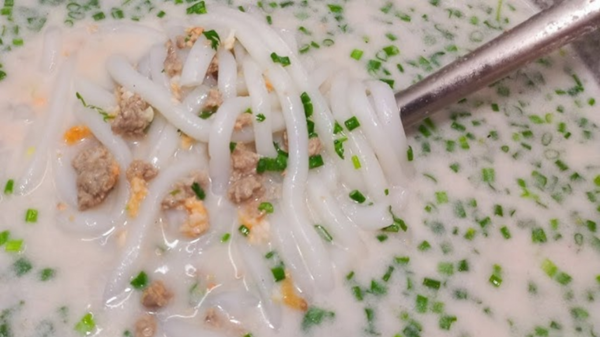
How to make coconut milk noodles
Coconut milk noodles are a very typical dish of Southern Vietnamese cuisine, featuring the rich flavor of coconut milk combined with the sweetness of shrimp and meat. The soft and chewy noodles and fragrant broth create an unforgettable flavor, attracting diners from the first time they enjoy them. Not only is it a delicious dish, coconut milk noodles also carry the traditional culinary culture of the Vietnamese people. Let's explore with vietseafarm how to make coconut milk noodles with the right taste in this article!


Why is coconut milk noodles so popular?
Coconut milk noodles are a rustic dish but have a unique flavor, combining the soft and fragrant noodles with the rich flavor of coconut milk, creating a dish that is both strange and attractive. This dish can be prepared in many different ways - from sweet like green bean coconut noodle soup, taro noodle soup, to savory like shrimp noodle soup, crab noodle soup, or snakehead fish cooked in coconut water. Regardless of the form, coconut noodle soup still retains its unique characteristics that make many people fascinated.
The flavor is rich, fatty, and irresistibly delicious
The special thing that makes coconut noodle soup so popular is the perfect combination of the light sweetness and the characteristic fatty taste of coconut milk. When coconut milk is cooked with sugar (for sweet noodle soup) or with seafood, meat (for salty noodle soup), it creates a rich, fatty, smooth, and fragrant flavor that is unforgettable for anyone who tries it.
The light, non-greasy flavor of coconut milk permeates each soft noodle, making the dish both harmonious, easy to eat, and full of the Vietnamese countryside. That is why, even though it is just a popular dish, coconut noodle soup always holds a place in the hearts of those who enjoy it.
Soft, chewy noodles, easy to eat, suitable for all ages
Banh canh is usually made from rice flour or tapioca flour, creating noodles that are slightly chewy and smooth. When cooked with coconut milk, the noodles absorb the fatty flavor, are sticky and not crumbly. This texture makes coconut milk noodles an easy-to-enjoy dish, suitable for all ages, from children to the elderly.
The noodles can be handmade at home or used in a ready-made form, but when combined with pure coconut milk, the dish always retains its delicious, naturally smooth texture without needing to add many spices.
Immensely rich in the culinary identity of the Western region - rustic but sophisticated
Coconut milk noodles are a dish that is typical of the Western region, where people use coconut in most of their daily dishes. Coconut milk is not only an ingredient that creates a fatty flavor but also the soul of the dish, helping to combine the natural flavors into a harmonious whole.
For people in the West, a bowl of coconut milk noodle soup is not only a breakfast dish, but also a symbol of warmth, hospitality and rustic love. The fragrant coconut scent permeates the air, the sweet taste permeates each strand of noodle, making anyone who eats it feel familiar and close, like returning to their homeland.
Easy to prepare, flexible in cooking
One of the reasons why coconut milk noodle soup is popular is the simple cooking method and easy-to-find ingredients. Depending on taste, people can vary this dish in many ways:
Sweet noodle soup: Use coconut milk cooked with sugar, add taro, green beans, or tapioca starch to create a sweet, fatty taste.
Savory noodle soup: Cook with shrimp, crab, snakehead fish, pork or fish cakes, add coconut milk to increase the richness and thickness of the broth.
Vegetarian noodle soup: Use mushrooms, tofu, vegetables and coconut milk, creating a light but still delicious and energetic dish.
Thanks to this flexibility, coconut milk noodle soup becomes a suitable dish for many different occasions - from family meals, vegetarian parties, to holidays.
Nutritious and good for health if used properly
Not only delicious, coconut milk noodle soup also brings high nutritional value. Coconut milk contains a lot of healthy vegetable fat, helps provide energy and supports the absorption of fat-soluble vitamins such as A, D, E, K.
Rice flour and starch in the noodles help keep you full for a long time, providing stable carbohydrates for the body. If combined with beans, potatoes or seafood, the dish also adds fiber, protein and minerals.
However, because coconut milk contains a lot of fat, people should use it in moderation, avoid eating it too often to balance nutrition.
Associated with the memories and beauty of Vietnamese cuisine
Many people, when mentioning coconut milk noodle soup, immediately remember the faint smell of coconut in the kitchen, the billowing smoke and the smooth noodle pot that their mother used to cook in the past. This dish is not only delicious but also contains the love and care of the cook, symbolizing warm family meals.
.png)
How to make coconut milk noodles
Coconut milk noodles are a familiar rustic dish, imbued with the flavors of the Southwest. Soft and chewy noodles combined with rich coconut milk, a little sweetness from sugar or a rich salty taste depending on the preparation method, create an irresistible dish. Below are detailed instructions on how to make sweet coconut milk noodles - the most popular and favorite version.
Ingredients to prepare
Tap flour: 200g
Rice flour: 100g
Boiling water: 250ml
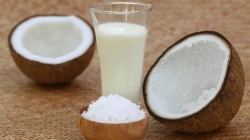
Coconut milk: 400ml
White sugar: 150g (can be adjusted to taste)
Salt: 1/4 teaspoon
Panda leaf essential oil or pandan leaf juice: 1 tablespoon (optional, helps create natural green color and aroma)
Mung beans (steamed): 100g
Grated coconut, roasted sesame or crushed peanuts: to sprinkle on top when eating
How to make delicious sticky rice noodles
Step 1: Mix the dough
Put the rice flour and tapioca starch in a large bowl, add 1/4 teaspoon of salt, mix well. Then, slowly pour in boiling water, stir continuously with chopsticks to prevent the dough from clumping. When the dough cools down, knead with your hands until the dough is smooth, elastic, and not sticky.
If you want the noodles to have a beautiful color and a characteristic aroma, you can divide the dough into two parts: keep one part intact, and mix the other part with pandan leaf water to create a natural green color.
Step 2: Create noodles
Use a noodle press or a piping bag with a large round tip to create noodles.
Boil a pot of water, then press the noodles directly into the pot of boiling water, boil until the noodles float to the surface of the water, then it is cooked.
Take the noodles out and put them immediately in a bowl of cold water so that the noodles do not stick and retain their softness.
Cook the coconut milk
Step 1: Cook the milk
Put 400ml of coconut milk in a pot, add 150g of sugar and 1/4 teaspoon of salt, stir well until the sugar dissolves. Place the pot on the stove, simmer until the mixture boils gently.
Step 2: Create a light consistency (optional)
If you like thicker coconut milk, you can mix 1 tablespoon of tapioca starch with 2 tablespoons of water, then slowly add it to the pot, stirring until the milk is smooth and creamy.
Note: Do not use too high a heat because the coconut milk can easily separate from the oil, making the dish lose its smoothness and aroma.
Completing the coconut milk noodle dish
Put the boiled noodles in a bowl, add some steamed mung beans, then pour the hot, creamy coconut milk on top. Finally, sprinkle with roasted sesame seeds or crushed peanuts to enhance the flavor and richness.
You can eat it hot or cold as you like. When eating, you can clearly feel the soft, chewy texture of the noodles, the fatty, fragrant taste of coconut, combined with the cool sweetness — all creating a dish rich in the flavor of the homeland.
More variations for coconut milk noodle soup
Taro coconut milk noodle soup: Add diced steamed taro to the broth to create a distinctive fatty flavor.
Red bean or green bean coconut milk noodle soup: Add more nutrition to the dish and make it more colorful.
Panda coconut milk noodle soup: Add pandan leaf water to the dough to create green, fragrant, and very attractive noodles.
Notes when making coconut milk noodles
Coconut milk noodles are a rustic dish with a rich, soft, and fragrant flavor, loved by many people. Although the method is not too difficult, to make the noodles achieve a smooth consistency, harmonious flavor and not separate the oil, the cook needs to understand some important notes during the processing. Below are the points to remember so that your coconut milk noodles are truly delicious and attractive.
Choose fresh, high-quality ingredients
Ingredients are the deciding factor in the deliciousness of the dish.
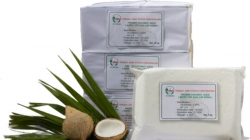
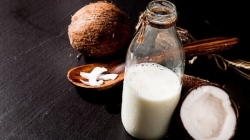
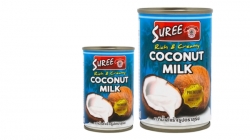
Coconut milk: You should choose pure coconut milk, which has an ivory color, natural aroma and high fat content. If using canned coconut milk, you should choose a product from a reputable brand (such as VietSeafarm) to ensure freshness and standard fat content.
Banh canh flour: Use rice flour combined with tapioca starch in a reasonable ratio (about 2:1) so that the noodles are both soft and chewy and have a characteristic elasticity.
Additional ingredients: If cooking with green beans, taro or red beans, choose the type that is cooked, not crushed, so that when pouring coconut milk, it will not be broken and cloudy.
Knead the dough properly so that the noodles are soft and not crushed
Use 100°C boiling water to mix the dough, helping the dough to be cooked first and smoother.
When kneading, knead evenly until the dough forms a smooth mass, does not stick to your hands and does not fall apart.
If the dough is too dry, add a little boiling water; if it is too soft, sprinkle more tapioca starch.
When pressing the noodles into the pot of boiling water, boil until the noodles float, then immediately remove them to cold water to keep them elastic and avoid sticking together.
Cook coconut milk at the right temperature to avoid oil separation
One of the common mistakes when making coconut milk noodles is that the oil separates, losing the smoothness and natural fatty taste.
Do not boil coconut milk over high heat. Use low heat, boil gently, and stir constantly so that the milk does not clump.
If you want the coconut milk to be thicker, you can mix 1 tablespoon of tapioca starch with cold water and slowly add it when the milk boils, stirring continuously until reaching the desired consistency.
Do not boil for too long because high heat will lose the characteristic aroma of coconut.
Balance the sweetness and fatness
The flavor of coconut milk noodle soup depends on the ratio of sugar, salt and coconut milk.
Add a little salt (about 1/4 teaspoon) to highlight the sweet and fatty taste of coconut.
Do not add too much sugar, because it will lose the natural fat and make the dish quickly boring.
If you like a light sweetness, you can mix the coconut milk with a little filtered water, avoid using all pure milk.
Keep clean and store properly
Noodle soup and coconut milk should be cooked and used within the day. If left overnight, the milk can easily separate or spoil.
If you want to preserve, keep the noodles and the coconut milk separate, put them in a sealed box and store in the refrigerator for up to 1 day. When eating, reheat gently.
Do not reuse coconut milk that has been boiled many times, because the flavor will change and lose nutrients.
Choose the right topping to make the dish more attractive
You can add green beans, taro, tapioca, roasted peanuts or white sesame to increase the flavor and richness.
If cooking salty noodles, you should combine it with shrimp, meat or fish cakes with coconut milk to make the broth rich and fragrant.
Use standard coconut milk to ensure safety
If you do not squeeze coconut milk at home, prioritize choosing products from reputable suppliers such as VietSeafarm - a place specializing in producing pure coconut milk that meets export standards, ensuring no preservatives, no dilution, helping the dish retain its natural fatty aroma and absolute safety for health.

To achieve the perfect taste of coconut milk noodle soup, the cook needs to pay attention to the quality of the ingredients, cooking techniques and the skillful balance of flavors. A little meticulousness when kneading the dough, boiling the coconut milk and adding the sweet and fatty flavor will help you create a dish with the typical Western flavor - fatty, soft and fragrant, making everyone who enjoys it exclaim in praise.
Views: 501
 Dec 11, 2025
- 0
 Dec 9, 2025
- 0
 Dec 9, 2025
- 0
 Dec 9, 2025
- 0
 Dec 8, 2025
- 0
 Dec 8, 2025
- 0
 Dec 2, 2025
- 0
 Dec 2, 2025
- 0
 Dec 2, 2025
- 0
 Dec 2, 2025
- 0
 Nov 23, 2025
- 0
 Nov 23, 2025
- 0
 Nov 23, 2025
- 0
 Nov 23, 2025
- 0
 Nov 18, 2025
- 0
.png)
.png)