Can pregnant women eat coconut milk?
Can pregnant women eat coconut milk? This is a concern of many women, especially pregnant women. In today's article, vietseafarm will help you answer this question in detail. First of all, let's learn a little about coconut milk as well as the nutritional composition of coconut milk with vietseafarm!(1).png)

.png)
Can pregnant women eat coconut milk?
Gourd is a healthy food, containing lots of water, fiber, vitamin C, calcium and iron, very good for pregnant women's health. Meanwhile, coconut milk is a popular ingredient in Vietnamese cuisine, has a fatty, fragrant taste and provides abundant energy. However, many pregnant mothers wonder "Can pregnant women eat coconut milk?" because they are worried about affecting the fetus or causing rapid weight gain. In fact, pregnant women can absolutely eat coconut milk, but need to eat it properly and in moderation to ensure health benefits.
Benefits of Coconut Milk for Pregnant Women
Coconut milk contains a lot of natural saturated fat and lauric acid, a type of fat that helps strengthen the immune system of pregnant mothers and supports fetal brain development. In addition, vitamin E and minerals such as iron, magnesium, and calcium in coconut milk help improve fatigue, reduce stress, and increase the ability to absorb nutrients. In a reasonable amount, coconut milk also helps pregnant mothers reduce nausea in the first trimester thanks to its mild flavor and ability to cool the body.
In addition, during pregnancy, many women experience mild constipation due to hormonal changes, and the amount of natural fat in coconut milk can help lubricate the intestines, supporting better digestion. If processed into dishes such as sweet soups, curries, or light stews, coconut milk will both enhance flavor and supplement energy without causing boredom.
Risks of pregnant women eating too much coconut milk
Despite its many benefits, coconut milk contains high calories and fat, so if pregnant women use too much, it can lead to rapid weight gain, excess fat, and difficulty controlling blood sugar. In particular, pregnant women with a history of gestational diabetes or high blood fat should limit it as much as possible because it can cause blood sugar levels to spike.
In addition, some types of canned or industrial coconut milk may contain preservatives and synthetic flavors, which are not good for the health of the fetus. Therefore, mothers should prioritize fresh coconut milk, homemade from pure coconut, to ensure safety and retain the natural flavor.
In addition, if you eat coconut milk in sweet dishes such as desserts, flan or ice cream, you should reduce the amount of sugar to avoid increasing blood sugar levels and causing a feeling of fullness and indigestion.
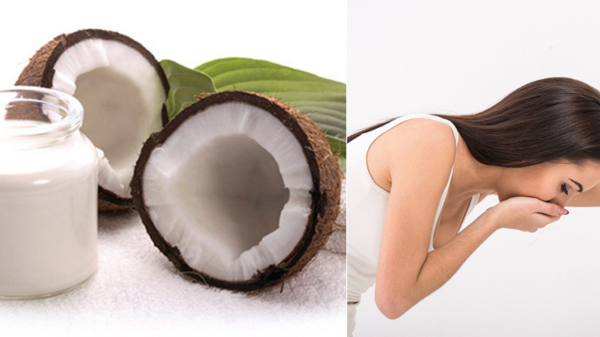
How to eat coconut milk safely for pregnant women
To take advantage of the benefits that coconut milk brings while still ensuring the health of mother and fetus, pregnant women need to know how to use it reasonably, scientifically and in the right dosage. Coconut milk is a rich source of energy, containing many natural fats and vitamins, but if used incorrectly, it can cause bloating, indigestion, and even affect weight and blood sugar during pregnancy. Therefore, understanding how to eat coconut milk safely for pregnant women is very important.
First of all, pregnant women should only use coconut milk in moderation, about 50-100ml/time and no more than 2-3 times per week. This is the appropriate level to help the body absorb nutrients without causing excess energy. Mothers can add coconut milk to dishes such as green bean sweet soup, chicken curry, pumpkin cooked with coconut milk, coconut rice or stews to increase flavor and natural fat. However, it is important to reduce the amount of sugar in the dish, avoid eating too sweet because it can easily increase blood sugar and make the body tired and heavy.
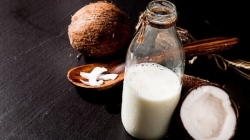
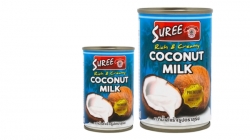
When choosing coconut milk, prioritize fresh pure coconut milk squeezed from freshly grated coconut meat instead of canned products because industrial products often contain preservatives, synthetic flavors or stabilizers that are not good for the fetus. If possible, mothers should buy dry coconuts, grate them themselves and squeeze the coconut milk by hand or use a juicer, both ensuring hygiene and preserving the natural flavor and nutrients. If you must use canned coconut milk, you should read the label carefully, choose a type with a clear origin, a long expiration date, and no toxic additives.
Another important point is not to eat raw or uncooked coconut milk. Although coconut milk is of plant origin, if not boiled, it can contain bacteria or mold due to improper storage. This can cause digestive disorders, abdominal pain or intestinal infections in pregnant women. Therefore, when processing, always boil coconut milk thoroughly, both to ensure safety and to help the dish taste more delicious and attractive.
In addition, coconut milk should not be combined with dishes containing a lot of oil or other fats such as fried, grilled, because it can cause the body to have excess energy and cause indigestion. Mothers should choose light, easy-to-absorb dishes such as light sweet soup, vegetable stew, or diluted coconut smoothies, to help replenish energy without increasing the feeling of fullness or bloating. Some pregnant mothers can also dilute coconut milk with fresh milk or warm water, which is both easy to drink and helps absorb nutrients more effectively.
The time to eat coconut milk is also very important. Pregnant mothers should use it in the morning or at noon, when the digestive system is most active, helping to absorb fat and vitamins easily. Do not eat coconut milk in the evening or before bed because it can cause bloating, indigestion and affect sleep. In addition, pregnant women need to combine coconut milk with a balanced diet, including green vegetables, fruits, whole grains and lean protein to avoid excess fat.
For pregnant women with gestational diabetes, overweight or high blood fat, they should limit as much as possible or consult a doctor before using coconut milk. Because this food, although good, contains high levels of saturated fat, can increase cholesterol and affect cardiovascular health if used excessively.
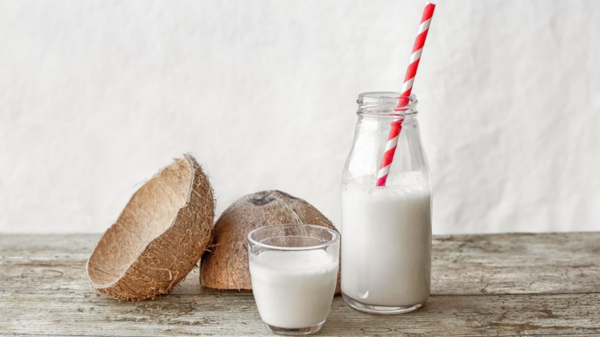
Notes when pregnant women eat coconut milk
Coconut milk is a delicious, energy-rich ingredient and is commonly used in many Vietnamese dishes such as sweet soup, curry, cakes or stews. However, for pregnant women, the use of coconut milk needs to be carefully considered to ensure the safety of both mother and fetus. Although it has many benefits such as adding healthy fats, supporting digestion and providing energy, if not used properly or abused, coconut milk can cause negative effects on health. Below are important notes when pregnant women eat coconut milk that women should know.
First of all, pregnant women should not eat too much coconut milk in a day. Due to its high calorie and saturated fat content, if used excessively, it can easily lead to rapid weight gain, putting pressure on the heart and digestive system. Uncontrolled weight gain during pregnancy not only makes the mother feel tired but also increases the risk of gestational diabetes, high blood pressure and difficult birth. The appropriate amount of coconut milk is about 50-100ml/time, 2-3 times per week, just enough to provide energy without causing nutritional imbalance.
Next, the quality of coconut milk is an extremely important factor. Pregnant mothers should prioritize fresh coconut milk, squeezed directly from coconut meat, avoid using canned or pre-mixed powder because these products often contain preservatives, flavorings, or industrial additives. These substances, when taken into the pregnant mother's body, can affect the liver, kidneys and fetal development. If buying ready-made coconut milk, mothers need to read the label carefully, choose products from reputable brands, with clear expiration dates and no signs of spoilage.
Another important note is that you should not eat uncooked coconut milk. Although coconut milk is of plant origin, if left exposed to air for a long time or not refrigerated properly, it can become contaminated or slightly fermented. Eating raw coconut milk can cause pregnant women to have stomach aches, diarrhea, and even mild poisoning. Therefore, always cook coconut milk thoroughly before using to ensure food safety and hygiene, especially in desserts, soups, or curries.
In addition, pregnant women should avoid eating coconut milk with dishes high in sugar and fat. Sweet dishes such as desserts, flan, and coconut ice cream are delicious but contain a lot of sugar, fat, and empty calories, which can easily cause mothers to gain weight too quickly. If you want to enjoy them, you can cook desserts with less sugar, add green beans or lotus seeds to increase nutritional value. At the same time, limit eating at night or before bed because coconut milk is slow to digest, which can cause bloating, difficulty sleeping, or acid reflux.
Another thing to note is the health of pregnant women. If the mother has a history of gestational diabetes, high cholesterol, or unstable blood pressure, you should limit it as much as possible or consult a doctor before eating coconut milk. Regular use can cause blood sugar and cholesterol levels to increase rapidly, negatively affecting health. For mothers with weak digestive systems and prone to bloating, they should only eat small amounts to avoid discomfort.
In addition, coconut milk should not replace the main source of nutrition during pregnancy. This is only a supplement, making the dish more rich and attractive. Mothers need to combine a diverse diet, balancing starch, protein, green vegetables, fruits and other healthy fats such as olive oil or avocado. It is not reasonable to rely solely on coconut milk to supplement fat, because the body needs many different types of nutrients to nourish the fetus to develop comprehensively.
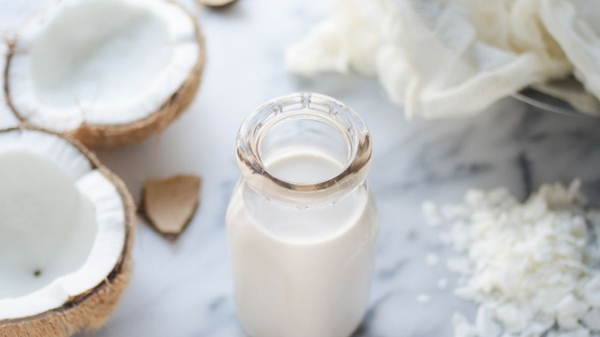
Finally, pregnant mothers should pay attention to how to preserve coconut milk. If not used up, it should be put in a sealed container, stored in the refrigerator and used within 24 hours. If left for longer, coconut milk can easily become sour, fermented or moldy, and eating it can cause poisoning. If you find that coconut milk has a strange smell, separates from oil or changes color, you should absolutely not use it. In short, pregnant women can absolutely eat coconut milk, as long as they eat it in moderation, choose fresh and clean ingredients and process it properly. This is a good source of energy, helps increase resistance, improve digestion and support fetal development. However, pregnant women should avoid overusing it, especially in dishes that are too sweet or greasy, to ensure a healthy pregnancy and balanced nutrition.
Tham khảo: https://vietseafarm.com.vn/coconut-161/
Views: 2492
 Dec 11, 2025
- 0
 Dec 9, 2025
- 0
 Dec 9, 2025
- 0
 Dec 9, 2025
- 0
 Dec 8, 2025
- 0
 Dec 8, 2025
- 0
 Dec 2, 2025
- 0
 Dec 2, 2025
- 0
 Dec 2, 2025
- 0
 Dec 2, 2025
- 0
 Nov 23, 2025
- 0
 Nov 23, 2025
- 0
 Nov 23, 2025
- 0
 Nov 23, 2025
- 0
 Nov 18, 2025
- 0
.png)
.png)