How to cook sticky rice with coconut milk
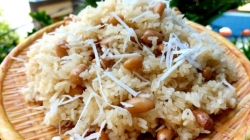
White sticky rice with coconut milk is a very delicious dish made from extremely simple and extremely familiar ingredients. Knowing how to cook sticky rice with coconut milk in a rice cooker, you will definitely have an attractive dish to occasionally treat the whole family to "change the wind"
.png)
Advantages of cooking sticky rice with coconut milk
Sticky rice with coconut milk is a familiar dish in Vietnamese culinary culture, often appearing in breakfasts, holidays, death anniversaries or family gatherings. The combination of fragrant sticky rice and rich coconut milk creates a unique and unforgettable flavor, both rustic and luxurious. Not only delicious, sticky rice with coconut milk also brings many outstanding advantages in flavor, nutrition and traditional values.
Delicious, fatty and attractive flavor
The first advantage that makes sticky rice with coconut milk loved by many people is its characteristic fragrant, fatty, and smooth flavor. Coconut milk when mixed with sticky rice creates a smooth layer, a light fatty taste mixed in each grain of sticky rice. When eating, we can clearly feel the sweet, mild fatty taste and natural aroma of coconut, bringing a delicious feeling without being greasy.
Unlike traditional sticky rice dishes that only use salt or beans, sticky rice with coconut milk is soft, supple and shiny thanks to the natural oil layer from coconut, helping the dish to be both rich and have a beautiful smooth consistency.
Rich in nutrients, providing abundant energy for the body
Sticky rice and coconut milk both contain many nutrients necessary for the body. Sticky rice contains carbohydrates, protein, vitamin B to help provide energy quickly and maintain a feeling of fullness for a long time.
Meanwhile, coconut milk contains healthy vegetable fats (MCTs), vitamins C, E, iron, magnesium and potassium, helping to strengthen resistance and improve brain function. When these two ingredients are combined, sticky rice with coconut milk becomes a nutritious dish, helping to restore health, especially suitable for people who do heavy work or need a lot of energy.
Easy to prepare, suitable for many different ingredients
One of the outstanding advantages of sticky rice with coconut milk is its flexibility in preparation. You can easily combine coconut milk with many different ingredients to create attractive variations such as:
Green bean sticky rice with coconut milk - rich and fatty, fragrant.
Mango sticky rice with coconut milk - cool, full of Thai flavor.
Gac sticky rice with coconut milk - has a beautiful red color, often used during holidays and weddings.
Panda sticky rice with purple leaves, sticky rice with coconut milk - both beautiful and naturally fragrant.
Thanks to that, this dish is suitable for all regions, tastes and special occasions, helping housewives easily be creative in their cuisine.
Retains softness longer than regular sticky rice
Coconut milk not only enhances the flavor but also helps sticky rice stay soft and supple for longer. The natural fats in coconut penetrate the glutinous rice grains, preventing them from drying out or hardening when cooled.
This is the reason why sticky rice with coconut milk is often chosen for take-out or used in parties, memorial services, and festivals, because the dish remains delicious and soft even after being left for several hours.
Good for the heart and aids digestion (when used in moderation)
The fat in coconut milk is medium-chain saturated fat (MCTs) - a type of fat that is easily absorbed, helping to quickly convert into energy instead of being stored as fat.
When used in moderation, coconut milk also has the effect of reducing bad cholesterol (LDL), increasing good cholesterol (HDL), thereby supporting the heart and improving digestion.
Therefore, eating sticky rice with coconut milk in moderation is not only delicious but also good for health.
A dish imbued with Vietnamese cultural identity
Coconut sticky rice is not only a delicious dish but also a part of Vietnamese traditional culture. For a long time, sticky rice has been associated with important occasions such as ancestor worship, New Year's holidays, weddings, opening ceremonies, and death anniversaries.
The addition of coconut milk makes the sticky rice dish not only more delicious but also shows the ingenuity and sophistication of Vietnamese cuisine - both rustic and full of meaning.
This is also a dish that shows family affection, when the cook often spends time preparing carefully, choosing delicious sticky rice and fresh coconut to offer to grandparents or treat relatives.
Suitable for all ages and tastes
Thanks to its natural sweet and fatty taste, not spicy, not too salty, coconut sticky rice is suitable for adults, children and the elderly.
The dish can be used for breakfast, a snack, or as a dessert after the main meal, helping to balance the taste buds and providing gentle energy for the body.
In addition, this sticky rice dish can also be varied with many toppings such as roasted sesame, peanuts, sesame salt, shredded coconut, green beans, ripe mango, creating a variety of flavors to suit each person.
Easy to preserve, convenient for business and travel
Compared to many other dishes, coconut sticky rice has good preservation ability, can be left at room temperature for 4-6 hours while still retaining its delicious flavor. This makes the dish a popular choice for street vendors, breakfast shops, or to take along when traveling or picnicking.
In particular, thanks to its rich flavor and eye-catching appearance, coconut sticky rice is also processed, packaged, frozen or exported to foreign countries by many production facilities, bringing Vietnamese cuisine to the world.
.png)
How to cook sticky rice with coconut milk
Sticky rice with coconut milk is a soft, fragrant sticky rice dish, suitable for breakfast or entertaining guests. Below is a complete, detailed and step-by-step recipe — including preparation, preparation, steaming/cooking, making coconut milk, tips for keeping the sticky rice and variations.
Ingredients (for 4–6 people)
Sticky rice
500g sticky rice (choose yellow sticky rice or equivalent delicious sticky rice)
350–400ml coconut milk (first milk if squeezed yourself) or 1 can (400ml) if using canned
2–3 pandan leaves — optional for fragrance
1/2 teaspoon salt
2–3 tablespoons sugar (depending on taste, can increase if you like it sweeter)
1–2 tablespoons cooking oil or coconut fat (to make the sticky rice shiny and not sticky)
Coconut milk topping
150–200ml coconut milk (can be taken from the remaining coconut milk)
1 tablespoon tapioca starch (mixed with 2 tablespoons water) — to thicken
1/4 teaspoon salt
1–2 tablespoons sugar (depending on taste)
Sprinkles/decoration
Grated coconut/roasted coconut or roasted sesame, roasted peanuts, crushed green beans (optional)
A little fried onion salty (if eating Southern-style salty sticky rice) — optional
Prepare in advance — pre-process sticky rice and ingredients (important for delicious sticky rice)
Washing sticky rice: Wash sticky rice 2–3 times until the water is clear.
Soaking sticky rice: Soak rice in warm water or regular water for at least 4–6 hours (preferably overnight 6–8 hours). If in a hurry, soak for 1–2 hours in warm water at 40–50°C to help the grains expand quickly. Soaking for enough time helps the sticky rice to be sticky and cooked evenly.
Prepare pandan leaves: Wash, tie into bundles or cut into pieces. Add pandan leaves when steaming to make the sticky rice fragrant.
Prepare coconut milk: If making it yourself, squeeze from fresh coconut meat: the first squeeze (thick juice) is used to mix with rice, the last squeeze (thinner) is used to cook water to drizzle or dilute. If using a can, shake well before use.
Method 1 — Traditional steaming (best for sticky, delicious sticky rice)
Step 1: Mix rice with coconut milk
After soaking, drain the rice for about 10–15 minutes.
In a large bowl, mix the sticky rice with 350–400 ml coconut milk, 1/2 teaspoon salt, 2–3 tablespoons sugar (or to taste), and 1–2 tablespoons cooking oil/coconut fat.
Mix gently so that each grain of rice is evenly coated with coconut milk. Note: do not mix too vigorously or the rice will be crushed.
Step 2: Steam the sticky rice
Line the steamer with banana leaves or a clean towel to prevent the sticky rice from sticking. Add a few pandan leaves for fragrance.
Pour the mixed rice into the steamer and spread evenly.
Steam sticky rice over medium heat — steam for 20–25 minutes, then remove the sticky rice, use a wooden spoon to gently fluff the grains (avoid crushing), sprinkle with 50–80 ml of diluted coconut milk (if dry) or a few drops of water, mix well and steam for another 10–15 minutes until cooked and absorbed.
Check: the sticky rice is soft, sticky, and not raw in the middle. Total steaming time is about 35–45 minutes depending on the amount of rice and the power of the stove.
Method 2 — Cook/stir-fry in a rice cooker (convenient, fast)
After soaking and draining, put the rice in a rice cooker, add the mixed coconut milk (the amount of water + coconut milk is equal to the amount of water used to cook sticky rice, usually about a 1:1 ratio of rice: coconut milk/liquid — try with 500 g of rice ~ 500–600 ml of total liquid).
Turn on the sticky rice/rice cooking button. When the pot switches to warm mode, open the lid, fluff, add a little more coconut milk if it feels dry, cover and leave for another 10-15 minutes for the sticky rice to cook evenly.
Note: the rice cooker method may make the sticky rice a little stickier but it is quick and convenient.
How to make coconut milk drizzle (creamy sauce)
In a small pot, add 150-200 ml coconut milk, 1/4 teaspoon salt, 1-2 tablespoons sugar. Stir well.
Cook over low heat, when it boils slightly, slowly pour in the tapioca starch mixture mixed with water, stirring constantly until it thickens, then turn off the heat. The consistency should be enough to drizzle over the sticky rice.
Do not cook for too long to avoid the coconut milk separating from the oil.
.png)
Notes when cooking sticky rice with coconut milk
Sticky rice with coconut milk is a rustic dish but has an unforgettable characteristic flavor with the stickiness of sticky rice and the fatty aroma of coconut milk. However, to cook a pot of delicious sticky rice, cooked evenly, the sticky rice grains are not dry or mushy, the cook needs to pay attention to many factors from the stage of choosing ingredients, preliminary processing, to the process of steaming and mixing coconut milk. Below are important and detailed notes to help you cook sticky rice with coconut milk with the right taste, beautiful and delicious.
Choose delicious and even-grained sticky rice
Sticky rice is the factor that determines the stickiness and deliciousness of the sticky rice dish. You should choose the type of golden flower sticky rice or goose sticky rice, round, white grains, not broken and with a light aroma. Old sticky rice often gives sticky rice that is stickier than new sticky rice, but must ensure that it is still fragrant and not moldy.
If you choose poor quality sticky rice, the grains will break easily, not be sticky when cooked, harden quickly and easily become mushy when mixed with coconut milk.
Soak the rice long enough for the sticky rice to cook evenly
A common mistake when cooking sticky rice is to soak the rice for too little time, causing the sticky rice to be tough or not cooked evenly. It is best to soak it for at least 4–6 hours, or overnight for about 6–8 hours if you have time.
If you are in a hurry, you can soak it in warm water at about 40–50°C for 2–3 hours, which will help the sticky rice soften faster.
When soaking, add 1/2 teaspoon of salt so that the sticky rice absorbs a light salty taste, making the sticky rice more flavorful and easier to cook.
Let the rice drain completely before steaming
After soaking, you should rinse it lightly and let it drain for at least 15–20 minutes.
If the rice is still wet, steaming will cause the sticky rice to become mushy or sticky.
You can spread the rice on a basket or clean towel and let it drain before mixing with coconut milk to ensure the sticky rice absorbs evenly without being too wet.
Mix coconut milk in the right proportion
Coconut milk is the soul of sticky rice, but if you add too much, the sticky rice will be soggy, and if you add too little, the sticky rice will be dry and lose its fatty taste.
The reasonable ratio is 500g of sticky rice: 350-400ml of coconut milk, which can be adjusted according to the water absorption of each type of sticky rice.
When mixing, you should add 1-2 tablespoons of cooking oil or coconut fat to help the sticky rice grains become shiny, fluffy, and not sticky.
In addition, add coconut milk little by little and mix well, do not pour it all in at once so that the rice does not clump or get too wet.
Add salt and sugar appropriately to make the sticky rice rich in flavor
Whether it is sweet sticky rice or savory sticky rice, seasoning with salt and sugar in balance is very important.
With sweet sticky rice: Add 1/2 teaspoon of salt + 2-3 tablespoons of sugar to create a harmonious flavor, helping the coconut milk to stand out.
With savory sticky rice: Reduce sugar, keep only a little salt to preserve the natural coconut flavor.
Adding salt helps the sticky rice not to be bland, highlighting the natural sweetness of the coconut milk without using a lot of sugar.
Keep the heat moderate when steaming to avoid undercooked or mushy sticky rice
Many people often steam sticky rice with too much heat, causing the water to boil strongly, and a lot of steam to rise, making the sticky rice mushy at the bottom and hard on the top.
The best way is to steam over medium heat, so that the steam evaporates evenly, not too strong.
If using a steamer, you should spread a clean cloth or banana leaf on the bottom and poke a few small holes to let the steam escape evenly, helping the sticky rice to cook evenly from the inside out.
Steaming time is usually about 30–40 minutes, depending on the amount of rice and the thickness of the sticky rice layer.
Add more coconut milk when the sticky rice is almost cooked to increase the fat content
When the sticky rice has steamed about 70–80% and the grains start to become clear and sticky, you should add 50–80ml of diluted coconut milk on top of the sticky rice and stir well.
This step helps the sticky rice absorb the fat deep into each grain without sticking. Then steam for another 10–15 minutes until the sticky rice is fully cooked and the coconut aroma spreads evenly.
Steam with pandan leaves or banana leaves to increase the natural aroma
A small tip to help the coconut sticky rice smell attractive is to add a few pandan leaves or line the steamer with fresh banana leaves.
The natural aroma of pandan leaves blends with the coconut scent to create a characteristic, gentle and very Vietnamese scent.
In addition, banana leaves also help limit condensation, keeping the sticky rice dry and not soggy at the bottom.
Stir the sticky rice gently while steaming so that the grains are evenly cooked
After steaming for about 20-25 minutes, you should open the lid and stir gently from bottom to top, avoiding pressing too hard, causing the sticky rice to stick together.
This method helps the heat to disperse evenly, ensuring that all the sticky rice grains are cooked and absorb the flavor. After stirring, cover and continue steaming until the grains are clear and soft.
How to make coconut milk properly to avoid oil separation
If you want to have a rich coconut milk to pour over the sticky rice, cook over low heat and stir constantly.
When the milk starts to heat up, mix 1 tablespoon of tapioca starch or cornstarch with a little water, slowly pour it into the pot and stir well until it thickens, then turn off the stove.
Do not cook for too long or let it boil strongly, because it will cause the coconut milk to separate, losing its natural smoothness and fat.
Eat the sticky rice while it is still hot to fully experience the sticky and fragrant taste
Coconut sticky rice is best when it is just steamed and still hot. At this time, the sticky rice is sticky, slightly fatty, and has a coconut aroma. It is very appealing to eat with grated coconut or roasted sesame.
If left to cool, the sticky rice may dry out a bit, so when eating again, sprinkle a little more coconut milk or steam it again for 5 minutes to make it soft like new.
Store sticky rice properly to avoid it from turning sour
Because coconut milk is easy to spoil, if you don't finish it, you need to store the sticky rice in a sealed container, keep it in the refrigerator and use it within 1-2 days.
When reheating, steam or microwave it with a little coconut milk or warm water to restore moisture. Do not leave the sticky rice at room temperature for too long, especially in hot weather, because it can easily turn sour and lose its fatty taste.
.png)
Cooking sticky rice with coconut milk successfully requires choosing good sticky rice, soaking it for the right amount of time, using quality coconut milk and knowing how to watch the heat and fluff it when steaming. With the detailed recipe above, you can confidently cook a pot of sticky, smooth, fatty, fragrant, and delicious sticky rice for your family or to entertain guests. If you have any questions, please contact us for specific advice.
Tham khảo: https://vietseafarm.com.vn/
Views: 1267
 Dec 9, 2025
- 0
 Dec 9, 2025
- 0
 Dec 9, 2025
- 0
 Dec 8, 2025
- 0
 Dec 8, 2025
- 0
 Dec 2, 2025
- 0
 Dec 2, 2025
- 0
 Dec 2, 2025
- 0
 Dec 2, 2025
- 0
 Nov 23, 2025
- 0
 Nov 23, 2025
- 0
 Nov 23, 2025
- 0
 Nov 23, 2025
- 0
 Nov 18, 2025
- 0
 Nov 18, 2025
- 0
.png)
.png)