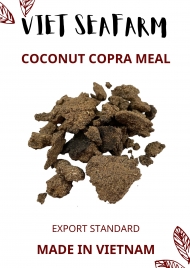
How to make coconut milk at home
Coconut milk is an extremely familiar ingredient in many Vietnamese dishes, from sweet soups, cakes to rich savory dishes. Making coconut milk at home is very simple, just need grated coconut and a little warm water and you can squeeze out the fragrant, fresh, safe coconut milk without worrying about preservatives. Let's research how to make coconut milk and learn with vietseafarm
.png)
Advantages of coconut milk
Coconut milk is one of the familiar natural ingredients in Vietnamese cuisine and many Asian countries. Not only does it bring a rich, delicious flavor to dishes, coconut milk also contains many nutrients that are beneficial for health and beauty. Let's learn in detail about the outstanding advantages of coconut milk below.
Provides an abundant source of natural energy
Coconut milk contains a high amount of healthy saturated fat, especially lauric acid - a type of fat that is easily converted into energy.
Therefore, when using coconut milk at a reasonable level, the body can be provided with energy quickly without causing a feeling of heaviness. This is the reason why coconut milk is often used in dishes for heavy workers or in meals that require a lot of energy such as sticky rice, sweet soup, curry, etc.
Good for the immune system
One of the outstanding advantages of coconut milk is its ability to increase resistance. Lauric acid in coconut milk has natural antibacterial, antiviral and antifungal properties, helping the body fight many types of harmful bacteria.
Adding a small amount of coconut milk to your daily diet can help the immune system work more effectively, especially during times of changing weather or when the body is tired.
Supporting cardiovascular health
Although it contains fat, most of it is medium-chain saturated fat (MCTs) - a beneficial fat that helps improve good cholesterol (HDL) and reduce bad cholesterol (LDL).
When used properly, coconut milk can help stabilize blood pressure, reduce the risk of atherosclerosis and support a healthier heart.
However, it should be noted that you should not use too much because it can increase excess calories in the body.
Beautify skin and hair
Coconut milk is also considered a "natural elixir" in beauty care.
For the skin, coconut milk contains a lot of vitamin C, E and antioxidants that help moisturize, soften and brighten the skin.
For hair, thanks to the amount of natural fats and minerals, coconut milk helps nourish strong hair, reduce breakage and stimulate hair growth.
Many people use coconut milk as a hair mask or natural skin cream that is very safe and effective.
Good for the digestive system
Coconut milk contains enzymes and fatty acids that can stimulate digestion and better absorb nutrients, especially fat-soluble vitamins and minerals.
In addition, it also helps soothe the stomach lining, supporting people with bloating, indigestion or recovering from intestinal diseases.
Adding a little coconut milk to a dish also makes the dish easier to eat thanks to its mild fatty taste.
Improve mood and reduce stress
Coconut milk contains a small amount of tryptophan - an amino acid that plays an important role in the production of serotonin, a hormone that helps improve mood and bring a feeling of relaxation.
Enjoying a smoothie or dish with coconut milk sometimes helps you reduce stress and relax your mind after a long day of work.
Versatile ingredient in cooking
Not only good for health, coconut milk is also a versatile culinary ingredient.
It is used in countless dishes - from sweet dishes (sweet soup, sticky rice, flan, coconut ice cream ...) to savory dishes (curry, braised fish, braised meat with coconut milk ...).
The characteristic fatty aroma makes the dish much more attractive and rich, bringing a unique taste balance that few ingredients can replace.
.png)
How to make coconut milk at home easily
Coconut milk is a familiar ingredient in many Vietnamese dishes such as sweet soup, sticky rice, curry, flan or coconut ice cream. Instead of buying canned products, you can completely make coconut milk at home, which is delicious, hygienic and retains all the natural flavor. Below are detailed instructions on how to make coconut milk simply that anyone can do.
Prepare ingredients and tools
To have a rich fresh coconut milk, you need to choose the right type of coconut and prepare the following ingredients:
Ingredients:
1 old coconut (dry coconut, with thick, hard and oily flesh)
300 - 400ml warm water (about 60 - 70°C)
A little salt (optional, helps to enhance the richness of the milk)
Tools:
Knife, small hammer (to separate the coconut shell)
Grater or blender
Sieve, thin cloth or milk extractor bag
Bowl, cup to hold the milk
Note: The coconut must be of moderate age, with thick flesh, not moldy or with a strange smell. Young coconut will make the milk thin, less fatty and easy to sour quickly.
Preparing the coconut
Use a knife or hammer to knock around the coconut to separate the hard shell.
Peel off the brown layer on the outside of the coconut meat if you want the milk to be smooth and white.
Cut the coconut into small pieces for easy grinding or scraping.
If you don't have a blender, you can use a manual coconut grater. Although it takes more time, the coconut milk is still very fragrant and flavorful.
Blend and mix the coconut milk with warm water
Put the chopped coconut milk into a blender.
Add about 300 - 400ml of warm water (depending on the amount of coconut milk).
Blend the mixture for about 1 - 2 minutes until the coconut is smooth.
After blending, let the mixture rest for about 5 minutes so that the coconut fat is better dissolved into the water.
If you don't have a blender, you can use your hands to squeeze the coconut milk directly with warm water in a large bowl, but squeeze it well to get more coconut milk.
Squeeze and filter the coconut milk
Pour the blended coconut mixture into a thin cloth or filter bag.
Squeeze it tightly to get the first portion of coconut milk - this is the purest, thickest and richest coconut milk.
The remaining coconut pulp can be added with a little warm water a second time, squeezed one more time to get coconut milk (thinner, used for savory dishes or soup).
Note: The first coconut milk should be kept separately to prepare dishes that need a rich fatty flavor such as sticky rice, sweet soup, flan. Coconut milk can be used to cook curry, braise meat or cook sticky rice.
.png)
Notes when making coconut milk at home
Making coconut milk at home is a great way to get fresh, safe ingredients and keep the natural flavor. However, to have coconut milk that is rich, fragrant and does not spoil quickly, there are many important notes to follow during the processing. Below are the points you should pay attention to when making coconut milk at home, presented in detail and easy to understand so that anyone can do it successfully.
Choose the right type of coconut - the factor that determines the fat and flavor
Choosing the ingredients is the most important step when making coconut milk. The coconut used to squeeze the milk should be medium-aged coconut or dry coconut, because the coconut meat at this stage has a lot of oil and a strong aroma.
Young coconut: thin meat, thin milk, low fat, only suitable for smoothies or light desserts.
Overly old coconut: hard meat, dry oil, milk can be a bit greasy and quickly separate.
When buying coconuts, you should choose ones with dark brown shells, and when you shake them you can hear the sound of water inside but not too much, which proves that the coconut has thick and fatty flesh. The coconut should not have a foul, moldy or sour smell - because that is a sign that the coconut is old or spoiled.
Processing tools need to be clean and dry
A common mistake that causes coconut milk to sour quickly is because the tools are dirty or still have cold water on them. When grinding, filtering or storing coconut milk, you need to ensure:
All tools (knives, blenders, filters, bowls, cloths, etc.) are washed and completely dry.
Do not let cold water mix with the coconut milk, because cold water can cause the oil layer in the coconut to solidify, causing the layers to separate quickly and causing a strange smell.
If using a cloth, choose a thin, clean one that does not have the smell of detergent so as not to affect the natural flavor of the coconut.
The water temperature when grinding coconut must be suitable
One of the secrets to getting delicious coconut milk is to use warm water around 60 - 70°C when grinding or squeezing coconut.
If the water is too hot (over 80°C): it will easily make the coconut "cook", lose its aroma and separate the oil quickly.
If the water is too cold: the fat is difficult to dissolve in water, making the milk thin and tasteless.
Using moderately warm water helps dissolve the natural oil in the coconut meat, helping the milk have a characteristic viscosity, fat and aroma.
Distinguish between the first coconut milk and the coconut water
When making coconut milk, you usually get two types of water:
The first coconut milk: is the first squeezed part, thickest, most fragrant and fatty. Suitable for dishes that need a strong flavor such as sweet soup, sticky rice, flan, ice cream, or toppings.
Coconut water: is the part taken after adding warm water a second time, has a thinner consistency. Often used for savory dishes such as curry, braised meat in coconut water, soup or stew.
Do not mix these two types of water together if you want to keep the characteristic flavor of each dish.
Do not leave coconut milk at room temperature for too long
Coconut milk is very easy to sour or separate if left out in the air for too long, especially in hot and humid weather.
If you use it on the same day, you should store it in the refrigerator in the cool compartment, in a glass jar or sealed bottle.
If you want to store it longer, you can gently boil the coconut milk for about 3-5 minutes and then let it cool before putting it in the refrigerator.
If you need to store it longer, pour the coconut milk into an ice tray and freeze it into small cubes. When needed, just defrost it, the milk will still retain its rich, aromatic flavor.
Absolutely do not use coconut milk that has signs of sourness, strange smell, foaming or strong separation, because these are signs of spoilage.
Do not grind coconut for too long or too hard
When grinding coconut, you should only grind it just enough (1-2 minutes) so that the coconut is loose and releases oil. If you grind for too long, the heat generated from the blender will cause the coconut oil to separate early, making the coconut milk lose its viscosity and smell “warm”.
A small tip is that you can divide the amount of coconut meat, grind each part so that the machine works more gently and the resulting milk is more even and fattier.
Do not add sugar or additives when making coconut milk
Some people have the habit of adding sugar or salt when grinding coconut to “enhance the flavor”. However, this can change the natural flavor of the milk and shorten the storage time.
If you want the milk to be more flavorful, you can add a little salt after cooking the dish, instead of adding it right from the start.
Observe the color and taste of the milk
Standard coconut milk usually has:
Natural ivory color, slightly creamy.
A mild aroma, slightly fatty, not strong or harsh with oil.
When refrigerated, the oil may float slightly but will not separate into two distinct layers.
If the coconut milk is yellow, has a burnt smell or a slightly bitter taste, it is likely that the coconut is old or has been ground too hot. In this case, you should discard it and make it again to avoid affecting the dish.
Use coconut milk properly for each dish
Sweet dishes: Use the first coconut milk to make the dish thicker, richer and more fragrant. Can be cooked with tapioca starch or rice flour to create thickness.
Salty dishes: Use coconut milk to avoid excessive fattiness, helping to balance the flavor of the dish.
Drinks: You can mix diluted coconut milk with fresh milk or ice to make smoothies, coconut coffee, coconut milk... very attractive.
Understanding the uses of each type of coconut milk helps you make the most of the natural flavor of coconut in each dish.
.png)
Where is the reputable and quality coconut milk?
If you are looking for a stable and reliable source of high-quality coconut milk, VietSeafarm is one of the top choices in Vietnam today. With a modern production process, natural ingredients, products that meet international standards and strong export capabilities, VietSeafarm brings absolute peace of mind to domestic and foreign partners.
100% pure products from natural fresh coconut
VietSeafarm's coconut milk is produced entirely from fresh, mature coconut meat - a type of coconut with high fat content and a characteristic aroma. The product does not contain preservatives, artificial colors or flavors, helping to preserve the natural flavor and nutrients in every drop of coconut milk. Thanks to that, coconut milk has a smooth consistency, rich taste, suitable for use in food processing, beverages or industrial production.
Clean raw materials and international standard production process
VietSeafarm uses clean coconut raw materials harvested from famous coconut growing areas of Ben Tre and the Southwest region - where there are fatty, oily and naturally fragrant coconut varieties. The production process is strictly controlled from the selection of raw materials, squeezing to extracting juice, filtering, sterilizing to packaging. The entire chain is carried out according to international food safety standards, ensuring the product has a natural white color, pure aroma and stable quality.
Ability to export to many countries around the world
VietSeafarm is a business with strong export capacity, trusted in many countries such as Japan, Korea, Thailand, France, Germany, the Netherlands, the United States and the Mediterranean region. The company's products all have full documents, quality inspection certificates and clear traceability. A professional logistics system helps the transportation of goods by sea or air always ensure on schedule, safety and maintain product quality.
Diverse packaging forms, suitable for all import needs
Depending on the needs of customers, VietSeafarm provides many different packaging forms such as 500g, 1kg bags for households, small restaurants; 5kg - 20kg bags for large production facilities; or cans, drums, vacuum bags for export orders. In addition, the company also accepts private label processing (OEM) for partners who want to develop their own brands in the international market.
Professional service and dedicated support
VietSeafarm has a team of professional import-export staff, ready to support customers in every step from product selection advice, customs procedures guidance, export documents to international payment methods and delivery. The entire process is carried out quickly and transparently, helping customers save time and costs.
Trusted partner with proven reputation
Since its establishment, VietSeafarm has rapidly expanded its domestic and international distribution system, becoming a partner supplying coconut raw materials to many food and beverage manufacturers and large restaurant chains. With many years of experience in the field of exporting agricultural and seafood products, VietSeafarm is highly appreciated for its reputation, stable quality and ability to meet large, continuous orders.
Flexible cooperation policy and competitive prices
VietSeafarm always offers reasonable prices, especially for long-term orders or large-volume imports. Thanks to direct production and ownership of local raw material areas, the company has advantages in price and long-term supply capacity, helping partners optimize costs while still ensuring international quality.
Importing coconut milk from VietSeafarm is the right choice for businesses, distributors or production facilities looking for a source of high-quality, stable and export-standard goods. With modern production lines, natural raw materials, professional staff and prestige affirmed in the international market, VietSeafarm not only provides delicious and rich coconut milk products but also accompanies partners in sustainable development strategies.
Reference: https://vietseafarm.com.vn/coconut-161/
Views: 963
 Dec 9, 2025
- 0
 Dec 9, 2025
- 0
 Dec 9, 2025
- 0
 Dec 8, 2025
- 0
 Dec 8, 2025
- 0
 Dec 2, 2025
- 0
 Dec 2, 2025
- 0
 Dec 2, 2025
- 0
 Dec 2, 2025
- 0
 Nov 23, 2025
- 0
 Nov 23, 2025
- 0
 Nov 23, 2025
- 0
 Nov 23, 2025
- 0
 Nov 18, 2025
- 0
 Nov 18, 2025
- 0
.png)
.png)