How to make coconut milk pig skin cake
The characteristic of pig skin cake is that it consists of many layers stacked on top of each other with many colors interwoven, extremely eye-catching. The chewy dough layer blends with the sweet taste of pandan leaves combined with the rich taste of coconut milk, making many people addicted to it. If you want to know how to make coconut milk pig skin cake, please refer to the following article.
.png)
Why is coconut milk pig skin cake so popular?
Coconut milk pig skin cake is one of the familiar traditional cakes of Vietnamese people, especially popular in the South. This cake is not only attractive because of its eye-catching appearance with each layer of cake smooth, transparent and soft like pig skin, but also because of the fatty and fragrant flavor of coconut milk mixed with the sweet, chewy taste of sticky rice flour and tapioca starch. It is the delicate combination of natural flavors and the "soft - chewy - fragrant" feeling that makes coconut milk pig skin cake a favorite dish of many people, from children to the elderly.
The rich, mild and natural flavor of coconut milk
One of the biggest reasons why coconut milk cake is so popular is the rich flavor and characteristic aroma of coconut milk. Fresh coconut milk when mixed into the dough not only makes the cake softer and smoother but also brings a naturally sweet and fatty flavor, not as greasy as cream or condensed milk. When steamed, the aroma of coconut blends into each layer of cake, creating a pleasant feeling and stimulating the taste buds.
Coconut milk also helps keep the cake moist, preventing the cake from drying out after cooling. When eaten, you will feel the moderate toughness of the cake layer with a bit of light fat, making the cake both familiar and attractive.
Eye-catching colors and attractive appearance
Coconut milk cake is often made in many layers with alternating colors: milky white layer from coconut milk, green layer from pandan leaves or purple layer from taro. It is the harmony between these natural tones that makes the cake not only delicious but also very beautiful, symbolizing the skill of the baker.
Each layer of cake is carefully steamed, smooth and transparent like jelly. When cut, each layer of cake is even, lightly sticking together, creating a chewy and enjoyable feeling when eaten. Many people also compare banh da lon to a "handmade work of art" in the world of Vietnamese cakes because of its meticulousness, sophistication and high tradition.
Traditional flavor associated with childhood
Coconut milk banh da lon is not only delicious but also evokes the flavor of childhood, of country markets and simple Tet holidays. Most Vietnamese people have enjoyed this cake on death anniversaries, weddings, full moon offerings or simply as afternoon snacks.
It is the familiarity and closeness in memory that makes banh da lon a spiritual dish, a bridge between the present and the past. Although there are many modern cakes available today, coconut milk cake still holds a special place in the hearts of Vietnamese people thanks to its irreplaceable traditional flavor.
Easy to eat, suitable for many ages and tastes
Not too sweet, not greasy, not dry, coconut milk cake is an easy-to-enjoy dish for all ages. Children love the chewy texture and mild sweetness; the elderly love the rustic coconut aroma. The cake is soft and easy to digest, so it is suitable for vegetarians or people with sensitive digestive systems.
In addition, coconut milk cake can also be flexibly varied: add green beans, taro, durian, or pandan leaves... to change the flavor. Thanks to that, this cake is not boring but is increasingly creative and renewed to suit modern tastes.
Easy-to-find ingredients, simple but sophisticated method
Another reason why coconut milk cake is loved by many people is because the ingredients are cheap, easy to find and easy to make at home. With just tapioca starch, glutinous rice flour, sugar, coconut milk and natural coloring from pandan leaves or mung beans, you can create an attractive cake. Although simple, to achieve a clear, soft and non-sticky cake requires skill and meticulousness in each step of mixing the flour, pouring the layers, steaming and watching the fire.
The process of making cakes also brings joy and a feeling of relaxation, especially when you can pour each layer of cake yourself, wait for the cake to cool and then cut it to see the finished product. Therefore, banh da lon is not only delicious but also has spiritual value in connecting the family and preserving the beauty of traditional cuisine.
Nutritional value and health benefits
Banh da lon with coconut milk is not only delicious but also contains significant nutritional value. Coconut milk provides healthy vegetable fat (MCT), helps to replenish energy quickly and is good for the heart if used in moderation. Tapioca starch and glutinous rice flour help create a feeling of fullness, providing starch, while mung beans or taro (if added) add fiber and vegetable protein.
.png)
How to make coconut milk pig skin cake
Coconut milk pig skin cake is a familiar traditional cake of Vietnamese people, associated with the childhood of many people because of its sweet, chewy and fatty flavor. This cake is often made from rustic ingredients such as tapioca starch, rice flour, green beans and coconut milk, creating soft, smooth layers of cake, alternating with eye-catching colors. Not only attractive because of its appearance, pig skin cake is also a snack loved by many people during holidays, Tet or simply to enjoy with a cup of hot tea. Below are detailed instructions on how to make delicious, chewy and traditional coconut milk pig skin cake at home.
Ingredients to prepare
To make coconut milk cake, you need to prepare the following ingredients:
Peeled green beans: 150g
Tap flour: 200g
Rice flour: 50g
White sugar: 150g
Coconut milk: 300ml (should use fresh coconut milk for a more fragrant and fatty flavor)
Fresh pandan leaves: 6-8 leaves (or can be replaced with pandan essential oil)
Salt: ½ teaspoon
Filtered water: about 200ml
Depending on your taste, you can increase or decrease the amount of sugar or replace pandan leaves with cocoa powder or taro powder to create different colors for the cake.
How to make coconut milk cake
Step 1: Cook and grind green beans
Wash green beans, soak in water for 2-3 hours to soften, then steam or cook. When the beans are soft, put them in a blender with a little filtered water to puree. Then, filter through a sieve to get a smooth, lump-free mixture. This will be the part that gives the cake its yellow color.
Step 2: Prepare pandan leaf juice
Wash the pandan leaves, chop them, and put them in a blender with about 150ml of water. Blend until smooth, filter through a sieve to get the natural green juice, with a mild aroma.
Step 3: Mix the cake dough
Divide the dough mixture into two equal parts.
Yellow part: mix ground mung beans with 100g tapioca starch, 25g rice flour, 75g sugar, 150ml coconut milk and a little salt. Stir well until the mixture is smooth.
Green part: use pandan leaf juice instead of filtered water, mix with the remaining flour in the same ratio. Stir well until the mixture is blended and there are no more lumps.
Step 4: Steam the cake
Prepare a steamer, boil water and line the lid with a towel to prevent the steam from dripping down and making the cake porous. Put the mold in the steamer for 5 minutes, then pour the first layer of green dough into the mold (about 0.5-1cm thick), steam for 5 minutes until the cake surface is set. Continue pouring the yellow dough layer on top, steam for another 5 minutes. Repeat until all the dough is used up. Note, the last layer should be green to make the cake look more beautiful.
Step 5: Finishing the cake
After steaming, let the cake cool completely before removing it from the mold. Use a sharp knife to cut the cake into bite-sized pieces, you can cut it into squares, diamonds or thin slices as you like.
Small tips to make delicious and beautiful chewy cake
Coconut milk should be thick and fragrant: using the first coconut milk will help the cake have a fatty aroma and characteristic chewiness.
Do not steam each layer for too long: if steamed for too long, the cake will easily become tough and lose its transparency.
Keep the steam stable: always keep the water boiling evenly throughout the steaming process so that the cake layers are cooked evenly and do not separate.
Do not open the lid too soon: opening the lid when the cake is not cooked can cause cold steam to cause the cake to wrinkle or pitted.
aaa
Notes when making coconut milk cake
Coconut milk cake is a traditional Vietnamese cake famous for its soft, chewy and characteristic fatty layer. However, to make a perfect batch of cake that is not crushed, not pitted or too dry, the baker needs to master many important details. Below are important notes when making coconut milk cake, written in long, complete and coherent form for your reference.
Choose fresh ingredients and prepare them properly
Ingredients are the deciding factor in the quality of the coconut milk cake. When making the cake, you need to choose fresh coconut to squeeze the milk, or buy pure coconut milk, no sugar, no preservatives so that the cake retains its natural flavor and moderate fat. Tapioca starch and rice flour should be fine and of good quality so that the flour mixture blends well and does not clump. Green beans, taro or pandan leaves must also be fresh and clean to create natural color and flavor.
Before mixing the dough, you need to soak and steam the mung beans thoroughly, grind them finely so that the mung bean layer is smooth and lump-free. The pandan leaves should be washed, ground and filtered to avoid residue that makes the cake layer uneven in color.
Divide the flour and water ratio properly
One of the common mistakes when making banh da lon is the incorrect ratio of flour and water, leading to the cake being too hard or too soft. Tapioca starch determines the toughness, rice flour helps the cake to be soft and smooth, while coconut milk and filtered water determine the moisture and fat content. When mixing, divide the flour and water into parts to mix each layer, avoid mixing everything at the same time, making it difficult to control the thickness/liquidity.
If the dough layer is too thin, the cake will have difficulty standing and will be soft, while if it is too thick, the cake will be hard, chewy, and lose its softness. When making it for the first time, try with a small ratio, then adjust according to the results.
Steam the cake properly
Steaming the cake layer by layer is the most important step to make the banh da lon have a smooth, clear layer and no holes. When steaming:
The steam must be stable: keep the water boiling evenly, avoid opening the lid many times to avoid losing heat, the cake layer will crack or dry.
The steaming time for each layer is just enough: usually 7-10 minutes depending on the thickness of the dough layer. The first layer needs to be cooked until the surface is tight, the next layers must be steamed evenly so that the cake sticks tightly, creating the characteristic "pig skin" effect.
Use a cloth to cover the lid: place a clean cloth under the lid to prevent water from dripping onto the cake surface, causing pitting or dents.
In addition, the steaming mold should be brushed with a thin layer of oil to make the cake easy to remove after cooking. Non-stick glass or silicone molds are the best choice.
Control the temperature and time
The temperature and steaming time directly affect the texture of the cake:
Steaming for too long will make the cake hard, lose its flexibility, the top layer will easily dry and crack.
Steaming for too short a time, the cake will not be cooked, mushy, and easy to break when removed and cut.
Coconut milk should be boiled before mixing the flour, avoid using milk that is too hot or too thick because it can easily cause the flour to separate or cook unevenly.
Regularly observe the steam in the pot, keep the heat even and steam each layer for the right amount of time to achieve the perfect texture.
Technique for pouring the flour evenly and with beautiful color
Banh da lon is steamed in layers, so pour each layer thinly and evenly so that the cake is smooth and not concave. When pouring the colored flour layer, use a spoon or whisk to gently shake the flour to spread evenly, avoiding air bubbles. If you want the cake to have many beautiful colors, alternate the white layer, the pandan leaf layer or the green bean/taro layer according to your preference, but always make sure each layer is cooked enough before pouring the next layer.
The last layer should be white or light in color, steamed a little longer so that the cake has a shiny, beautiful look when cut.
Note when cutting and preserving the cake
The cake should be completely cool before cutting to avoid sticking to the mold and keeping its shape.
Use a sharp knife, cut gently, do not pull to avoid tearing the cake.
Store the cake in a sealed box in the refrigerator, the cake can be kept for 2-3 days and still soft and flexible.
Avoid exposing the cake directly to air or high temperatures as it can easily dry out and lose the aroma of coconut milk.
Tip to fix common problems
Cake has air bubbles: filter the flour carefully, pour each layer slowly, shake gently to break the bubbles.
Cake separates or crumbles: check the flour/water ratio, steam each layer until cooked, keep the steam stable.
Cake is too hard: reduce tapioca starch or increase rice flour, reduce steaming time.
Cake is too soft: increase tapioca starch, reduce water, steam for enough time.
.png)
Where to find coconut milk to make quality and reputable cakes?
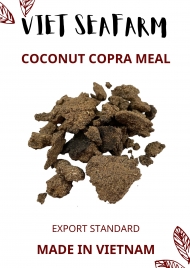
Coconut milk cake is a traditional Vietnamese cake famous for its rich aroma and smooth texture, so choosing a reputable and quality source of coconut milk is an important factor to ensure the finished product is delicious, has beautiful color and is safe for food. Viet Seafarm is one of the reliable suppliers of coconut products, suitable for making cakes at home or professional cake production.
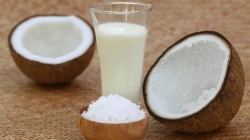
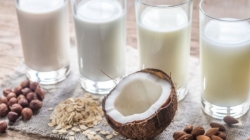
Viet Seafarm uses fresh coconut, ensuring natural aroma and standard fatty taste, making the cake soft, smooth and delicious.
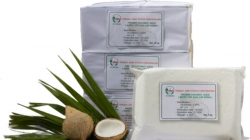
Coconut milk products have clear, pure ingredients, do not contain additives or preservatives, suitable for making cakes and desserts.
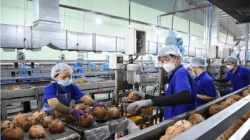
The processing process is strictly managed, helping to retain the natural flavor, smooth texture and safety for long-term use.
Viet Seafarm products are suitable for mass baking thanks to the consistency in quality and viscosity of coconut milk. Viet Seafarm is a reputable and quality choice for coconut milk used in baking, thanks to its fresh ingredients, modern processing and high stability. However, before using, you should carefully check the product type (coconut cream or coconut milk), shake well, store properly and test the sample to ensure that your banh da lon has a smooth, delicious texture and beautiful color. Choosing a quality source of coconut milk from Viet Seafarm will give you complete peace of mind during the baking process, from small batches at home to mass production.
Tham khảo: https://vietseafarm.com.vn/coconut-161/
Views: 610
 Dec 11, 2025
- 0
 Dec 9, 2025
- 0
 Dec 9, 2025
- 0
 Dec 9, 2025
- 0
 Dec 8, 2025
- 0
 Dec 8, 2025
- 0
 Dec 2, 2025
- 0
 Dec 2, 2025
- 0
 Dec 2, 2025
- 0
 Dec 2, 2025
- 0
 Nov 23, 2025
- 0
 Nov 23, 2025
- 0
 Nov 23, 2025
- 0
 Nov 23, 2025
- 0
 Nov 18, 2025
- 0
.png)
.png)