How to make coconut milk sponge cake at home
Making coconut milk sponge cake at home is not too difficult, you can absolutely make it with the following simple instructions from vietseafarm! Let's refer to the article below to know how to prepare the ingredients and process it right away!
.png)
Why is coconut milk sponge cake so popular?
Coconut milk sponge cake is one of the familiar traditional cakes of Vietnamese people, especially loved during holidays, Tet, or morning and afternoon snacks. This cake is not only attractive because of the sweet, fatty taste of coconut milk mixed with the natural yeast flavor, but also because of the soft, spongy, slightly chewy texture and the characteristic aroma of fermented rice flour. It is the harmony between rustic, sophisticated ingredients and skillful processing that has made coconut milk sponge cake a favorite dish for many generations.
First of all, the unique flavor of coconut milk sponge cake is the first factor that makes this cake conquer diners. When biting into it, diners can feel the sweet, fragrant taste of coconut milk mixed with a light fat content, not greasy at all. The cake has a moderate chewiness and sponginess, thanks to the natural fermentation process of rice flour, creating a soft, fluffy feeling in the mouth. Coconut milk poured on top of the cake further increases the fat and seductive aroma, bringing a rich, unforgettable flavor. Besides the flavor, coconut milk sponge cake also carries cultural value and childhood memories of many Vietnamese people. The image of smooth white or colorful sponge cakes, neatly arranged on trays of cakes in rural markets, has become a part of folk culinary life. Although made from simple ingredients such as rice flour, coconut milk, sugar and yeast, the cake still brings a feeling of warmth, closeness and familiarity. For many people, each piece of banh bo evokes memories of the kitchen fire, of the skillful hands of mothers and grandmothers during the days of making cakes together.
Not only stopping at the traditional element, banh bo with coconut milk is also popular because of its flexibility and suitability to many different tastes. This cake can be steamed, baked or fried depending on the region and preference. Southerners often like steamed banh bo with a rich, fatty taste and fragrant coconut scent, while Central people prefer the golden-brown grilled banh bo with a faint pandan scent. Regardless of the form, banh bo still retains a harmonious flavor, both sweet, fatty and chewy - creating a feeling of easy eating and not boring.
In addition, the nutritional value of banh bo with coconut milk is also a factor that makes this dish popular. The cake contains starch from rice flour to help provide energy for the body, while coconut milk adds healthy fats, vitamins and essential minerals. When used in moderation, banh bo is not only a delicious dish but also helps to replenish energy quickly, especially suitable for children, the elderly or those who need a snack while still ensuring nutrition.
Another reason why banh bo with coconut milk is loved is its convenience and good preservation ability. The cake can be made in advance, stored in the refrigerator and re-steamed when needed. Moreover, this cake can be served with many different toppings such as roasted sesame, peanuts, shredded coconut or thick coconut milk, creating many interesting variations while still retaining the traditional flavor.
Finally, banh bo with coconut milk carries within it the spiritual value and beauty of Vietnamese culture. Although modern life has many new dishes introduced, banh bo still holds a special place in the hearts of Vietnamese people thanks to its pure, natural flavor and close connection with family affection. From simple meals to Tet feasts, coconut cake is always present as a symbol of reunion, prosperity and happiness.
.png)
How to make coconut milk sponge cake at home?
Coconut milk sponge cake is a rustic cake, soft, spongy, slightly chewy and fragrant with coconut. Below is a detailed step-by-step recipe (traditional yeast method and quick method using baking powder), with tips, ratios, time and how to fix common errors so you can make soft, spongy and fragrant coconut sponge cake at home.
Ingredients (for about 20-24 small molds or 12-15 medium molds)
Rice flour: 200g
Tap flour: 100g
White sugar: 180-220g (depending on taste)
Dry yeast: 2-3g (or 1 teaspoon if using fresh yeast) — yeast fermentation method
Or baking powder: 1-1.5 teaspoons if making quickly (slightly different texture)
Salt: 1/4 teaspoon
Warm water (40-45°C) to dissolve yeast: 100ml
Coconut milk (to mix dough): 300-350ml (use coconut milk if you want it creamier; can dilute some with water)
Filtered water: 150-200ml (total liquid ~450-500ml depending on dough)
Panda leaf starch or pandan leaf water: 1-2 tablespoons (depending on (choose, create green color and aroma)
Natural food coloring (optional) or pandan juice
1 tablespoon cooking oil (for molding)
A little coconut milk to drizzle on the cake when eating (optional)
Prepare yeast and ferment dough (traditional yeast method — fragrant, spongy cake, slightly sour taste)
Activate yeast: Mix dry yeast with 100 ml warm water (40–45°C) and 1 teaspoon sugar, leave for 5–10 minutes until the yeast bubbles slightly, then the yeast is active. If there is no foam, it means the yeast is weak, so you should replace it with new yeast.
Mix the dough: Mix the rice flour, tapioca starch and salt in a large bowl. Gradually add sugar and mix well. Slowly pour in the coconut milk and filtered water, stirring well until the mixture is smooth. Add the activated yeast and pandan essential oil/pandan juice if using. Use a whisk or mixer at low speed until there is no dry powder left, the mixture is smooth, slightly runny (like condensed milk). If the dough is too thick, add 1–2 tablespoons of water.
1st proofing: Cover the bowl of dough with plastic wrap or a warm towel, leave in a warm place (about 28–32°C) for 45–60 minutes until the dough has risen about 1.5–2 times. Proofing time depends on room temperature — cold weather requires longer proofing. When the dough has risen, you will see tiny bubbles and a slightly sour smell typical of yeast.
Post-proofing: Use a spoon to gently stir the dough to deflate the air, check the sweetness — if you want it sweeter, add sugar and stir until dissolved. Let the dough rest for 5–10 minutes before scooping it into the mold.
Quick method (using baking powder — for those who want to do it right away)
Mix rice flour, tapioca starch, sugar and salt; add 1–1.5 tablespoons of baking powder. Add coconut milk + hot water (not too hot) and stir until the mixture is smooth. Let the dough rest for 15–20 minutes, then scoop it into the mold. The result is a spongy cake but without the characteristic yeast flavor and the air hole structure will be different (less large bubbles, smoother).
Steaming the cake (the key step to make the cake fluffy and beautiful)
Prepare the mold: Use an aluminum mold, a silicone mold or a paper mold. Brush a thin layer of oil on the bottom and sides of the mold to make it easier to remove the cake. You can line it with parchment paper.
Pour the dough into the mold, only fill it 3/4 full so the cake has room to expand.
Steaming: Boil water in a steamer or steamer until it boils strongly, reduce the heat to medium. Place the mold in the steamer, cover tightly. Steam for 12-15 minutes for a small mold, 18-20 minutes for a large mold (depending on the amount). Avoid opening the lid for the first 10-12 minutes because steam and stable heat are needed for the cake to expand evenly. Check with a toothpick: if the toothpick is clean, the cake is done.
Finishing: When the cake is done, turn off the stove, take out the mold, let it cool for a few minutes and then take the cake out of the mold.
How to make coconut milk topping
Coconut milk: 200 ml
Salt: 1/8 teaspoon
Sugar: 1-2 teaspoons (optional)
Tap powder (mixed with water): 1 teaspoon (to create a light consistency)
Cook coconut milk over low heat, add salt, sugar, stir. When hot, add diluted tapioca starch and stir until slightly thick, turn off the heat. Drizzle on the cake when eating for fat.
.png)
Notes for making coconut milk sponge cake at home
When making coconut milk sponge cake at home, although the recipe is not too complicated, to make the cake fluffy, evenly spread, fragrant and fatty with a characteristic sweet taste, the maker needs to pay close attention to each step - from choosing ingredients, preparing yeast, mixing flour, fermenting, steaming to how to preserve. Below are important notes to help you make a batch of coconut milk sponge cake with the right flavor, delicious and soft like in the store.
Choose quality ingredients and the right ratio
Ingredients are the first factor that determines the success of coconut milk sponge cake. Rice flour should be chosen as fine, white and naturally fragrant, you can use packaged dry rice flour or fresh ground flour to make the cake softer. Tapioca starch helps the cake to be chewy and spongy, so it should not be ignored. The common ratio between rice flour and tapioca starch is 2:1 to achieve the standard texture.
Coconut milk should be chosen as pure, undiluted, with a natural aroma and a light fatty taste. If using canned coconut milk, you should prioritize reputable brands or stir the fat and liquid well before using to avoid oil separation. A moderate amount of sugar helps the cake to be sweet and supports the fermentation process, but do not add too much because it will make the cake heavy and less fluffy.
Use yeast or baking powder properly
This is the key step to make the cake fluffy and have even air holes. If using dry yeast, you need to activate the yeast with warm water about 40–45°C (not too hot to avoid killing the yeast). When the yeast bubbles, it means it is ready to be mixed with the flour.
In the case of using baking powder, you need to mix it well with the dry flour before adding the coconut milk. Do not let the baking powder come into direct contact with water or sugar before mixing because it will reduce the ability to react. If you want the cake to have a natural yeast smell and a characteristic light sour taste, you should choose the traditional yeast fermentation method; but if you want to do it quickly, baking powder is a convenient choice.
Correctly measure the dough fermentation time and temperature
The fermentation stage is an important step that determines the “bounce” and fluffiness of the cake. Normally, the dough needs to be fermented for 45 minutes to 1 hour in a warm environment (28–32°C). If it is cold, place the dough in an oven with the light on or wrap it in a warm towel to keep the heat.
Do not ferment for too long because the dough will become too sour, the cake will easily collapse or have large, uneven air bubbles. When the dough is ready, it will have a slightly sour smell, tiny bubbles on the surface and be slightly thick. Before pouring into the mold, stir gently again to disperse the air evenly — but avoid stirring too hard to break the air bubbles, the cake will not rise well.
Adjust the appropriate liquid of the dough
The dough mixture after mixing should be slightly liquid like condensed milk, not as thick as banh tieu dough. If the dough is too thick, the cake will be dense inside and have few air holes; on the contrary, if it is too thin, the cake will rise quickly but will easily collapse and have holes on the surface. You can try dropping a drop of flour onto a spoon: if the drop flows slowly and evenly, it is done.
Steaming the cake properly so that the cake rises evenly and does not collapse
When steaming the cake, make sure the water in the steamer is always boiling strongly and evenly before putting the mold in. If you steam when the water is not boiling, the cake will not cook evenly and will be difficult to rise. The mold needs to be lightly oiled so that the cake does not stick.
When putting the cake in to steam, do not open the pot lid for the first 10-12 minutes because the escaping steam will cause the cake to collapse. In addition, you should wrap a clean towel around the lid of the steamer to prevent condensation from dripping onto the cake surface, causing holes or wetness. After steaming, let the cake cool naturally in the mold for a few minutes before taking it out to avoid cracking or shrinking.
Note when cooking coconut milk to pour on the cake
The coconut milk poured on the cake surface is an important highlight, creating a characteristic fatty and fragrant flavor for the dish. When cooking, use a low heat and stir constantly, avoid boiling strongly, causing the fat to separate or the bottom of the pot to burn. You can add a little diluted tapioca starch to create a light consistency, along with a little salt to make the creamier flavor. Do not cook for too long, as this will cause the coconut milk to thicken and lose its aroma.
Pay attention to storage to keep the cake soft and spongy
Coconut milk sponge cake should be used on the same day for the best taste. If you need to store it, let the cake cool completely, put it in a sealed box and store it in the refrigerator, it can be kept for 1-2 days. When eating again, steam it for 3-5 minutes or warm it in the microwave (low power, wrap it in a damp cloth to prevent it from drying out). Absolutely do not leave the cake at room temperature for too long because the coconut milk can easily turn sour and the cake will dry out quickly.
Use pure coconut milk to increase the flavor and fat
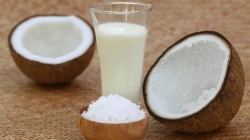
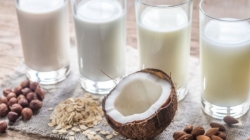
Another important note is to choose pure, fresh coconut milk without impurities. Fresh coconut milk helps the sponge cake have a natural, fragrant flavor, mild fat without being greasy. You can refer to coconut milk from VietSeaFarm, a unit specializing in providing pure, nutritious, hygienic coconut milk that can be used for cakes, desserts, curries or sticky rice. Choosing the right source of coconut milk not only makes the cake more delicious but also ensures health safety.
.png)
Where to find coconut milk to make quality and reputable banh bo?
To make a standard coconut milk cake - soft and spongy, with the characteristic fatty aroma of coconut - the quality of the coconut milk plays an extremely important role. A source of pure, fresh and hygienic coconut milk will not only make the cake more delicious but also safe for the health of the user. Among the trusted brands today, VietSeaFarm is the leading reputable address specializing in providing pure coconut milk for food processing, especially traditional Vietnamese cakes such as banh bo, banh tam bi, che or xoi.
VietSeaFarm Coconut Milk - Pure, keeping the natural flavor
The highlight of VietSeaFarm coconut milk lies in its pure quality and modern production process. Coconuts are selected from famous coconut growing areas in Ben Tre, where the ideal climate and soil help coconuts produce a rich amount of fatty oil and aroma. After harvesting, the coconut meat is cold-pressed directly to preserve natural nutrients such as vitamin E, vegetable fat, lauric acid and minerals.
VietSeaFarm commits to not adding water, not using flavorings, colorings or preservatives, helping the coconut milk retain its natural milky white color, pure aroma and characteristic mild fatty taste. Therefore, when used in banh bo, coconut milk from VietSeaFarm helps the cake to be moderately fatty, smooth and supple with an attractive coconut aroma, completely different from the diluted or impurity-containing types commonly found on the market.
Production process meets food safety and hygiene standards
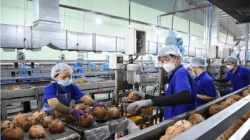
All VietSeaFarm products are produced in a closed process that meets food safety and hygiene standards (VSATTP), from the selection of raw materials, pressing, filtering to packaging. Modern cold-pressing technology helps to preserve the molecular structure of coconut oil, avoiding fat separation or rancidity during storage.
After being pressed, the coconut milk is sterilized and packaged in specialized packaging, ensuring that its freshness and original flavor are preserved. Thanks to this process, VietSeaFarm products can be used directly in processing without having to reheat, which is both convenient and safe for users, especially in cake production facilities, restaurants or households that love to cook.
Convenient, saves time and ensures consistency for the dish
Instead of having to grate the coconut and squeeze the milk yourself - which is labor-intensive and difficult to achieve a stable fat content - using VietSeaFarm coconut milk helps save a significant amount of preparation time while still providing consistent quality for each batch of cakes.
For coconut milk cakes, VietSeaFarm coconut milk has a natural fat content, is light and viscous, and is very easy to blend with the mixture of rice flour, tapioca starch and sugar during the fermentation and steaming process. When used to make the cake drizzle, VietSeaFarm coconut milk gives a beautiful white color, does not separate or form a layer when cooled, making the cake more delicious and eye-catching.
The product is diverse, easy to use and suitable for many processing purposes
VietSeaFarm provides many different coconut milk product lines such as pure coconut milk, concentrated coconut milk, and convenient mixed coconut milk, suitable for each need. Whether you are a housewife, restaurant owner or professional chef, VietSeaFarm products help you prepare banh bo, chè, curry, ice cream, or coconut smoothies easily, saving costs while still ensuring high quality.
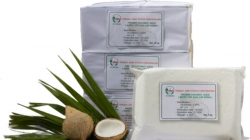
The product packaging is neatly designed, has a variety of capacities (from 200ml to 1L), easy to store and carry. The product can be stored at room temperature or in the refrigerator, depending on the type, so it is very convenient for both households and food production facilities.
If you are looking for a reputable, safe and delicious source of coconut milk to make coconut milk sponge cake, VietSeaFarm is the most reliable choice. With a source of selected fresh coconut, modern cold pressing technology and a commitment to 100% purity, VietSeaFarm not only brings pure coconut flavor but also helps each of your sponge cake dishes become more attractive, authentic and nutritious than ever. Whether you are a lover of traditional cuisine or are in the food business, VietSeaFarm coconut milk will definitely be the perfect companion in every baking recipe.
Reference: https://vietseafarm.com.vn/how-many-calories-in-coconut-milk
Views: 445
 Dec 11, 2025
- 0
 Dec 9, 2025
- 0
 Dec 9, 2025
- 0
 Dec 9, 2025
- 0
 Dec 8, 2025
- 0
 Dec 8, 2025
- 0
 Dec 2, 2025
- 0
 Dec 2, 2025
- 0
 Dec 2, 2025
- 0
 Dec 2, 2025
- 0
 Nov 23, 2025
- 0
 Nov 23, 2025
- 0
 Nov 23, 2025
- 0
 Nov 23, 2025
- 0
 Nov 18, 2025
- 0
.png)
.png)