How to make coconut milk tapioca noodles
Cassava noodles stewed with coconut milk is a rustic dish associated with the childhood of many generations, from afternoons after school stopping at small roadside stalls to rainy days sitting around a pot of hot, fragrant coconut-scented tapioca. Although this dish is not as popular as before, the rich, soft, and sweet flavor of coconut milk tapioca noodles is still unforgettable for anyone who has ever enjoyed it. Luckily, you can completely make this simple but attractive dish at home with a few simple ingredients and a little time. Join Vietseafarm to learn how to make coconut milk tapioca noodles for the whole family to enjoy!
.png)
Advantages of making coconut milk tapioca noodles
Coconut milk tapioca noodles is a rustic dish but brings a lot of value in terms of flavor, nutrition and convenience in processing. This dish not only reminds us of our childhood but also suits the taste of many people thanks to the harmonious combination of fragrant and chewy cassava and rich coconut milk. Making cassava noodles with coconut milk at home also has many outstanding advantages that not everyone knows, making the dish a great choice for breakfast, afternoon snacks or family gatherings.
When shredded, cassava will cook easily, absorb spices faster and create a characteristic softness when cooked with coconut milk. In addition, coconut milk gives the dish an attractive aroma, moderate fat content and a natural sweet taste, very suitable for those who like light but still energetic food. Not only delicious, cassava noodles with coconut milk also bring nutritional benefits thanks to containing lots of good starch, fiber, B vitamins and minerals, helping the body to supplement healthy energy, support digestion and create a feeling of fullness for a long time.
Another advantage is that this dish is extremely easy to make at home. The ingredients are simple, easy to find and low cost, but the finished product is delicious and attractive. You can adjust the sweetness and fat content according to your family's taste, ensuring that the dish is both tasty and safe. In addition, coconut milk tapioca is also suitable for the elderly, children or those who are looking for a light, soft, easy-to-eat dish that does not cause bloating.
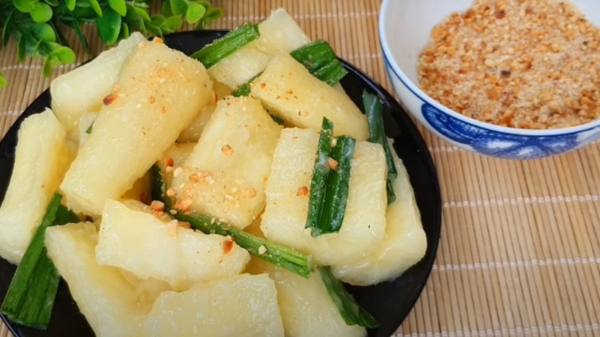
It is impossible not to mention the flexibility of this dish. You can vary it with roasted peanuts, roasted sesame, pandan leaves, or a little sesame salt to enhance the flavor. Coconut milk tapioca can be eaten hot or cold, both delicious, suitable for many times of the day. Making it at home helps you take the initiative with all the ingredients, ensuring no preservatives or additives, thereby bringing absolute peace of mind for your health.
How to make simple coconut milk tapioca noodles at home?
Cassava noodles stewed with coconut milk is a rustic dish, associated with the childhood of many generations, from afternoons after school to rainy days gathering around a pot of hot, fragrant coconut-scented potatoes. This dish stands out with the rich taste of coconut milk combined with the softness of tapioca, creating a rustic but very attractive flavor. Although there are not many places selling this delicious dish anymore, you can completely make it yourself at home, both saving money and ensuring safety and preserving the traditional flavor. Discover how to make delicious, simple and easy-to-make coconut milk tapioca noodles to enjoy this rustic dish full of memories!
Prepare ingredients
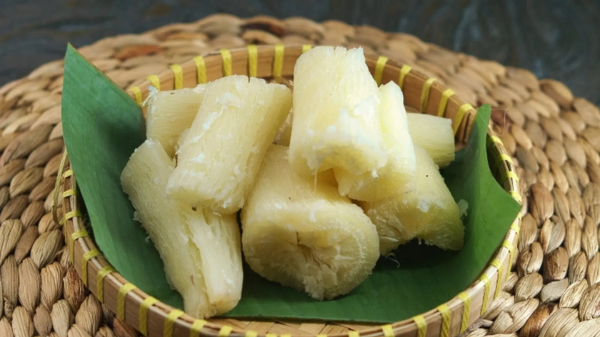
To make delicious coconut milk tapioca noodles with the right taste of childhood, you only need to prepare very familiar and easy-to-find ingredients. Tapioca should be large, straight, with a slightly pink skin, when broken in half, it has a lot of starch and little fiber. Coconut milk should be pure to create a natural fatty aroma. In addition, you prepare more sugar, salt, pandan leaves and can have white sesame or roasted peanuts if you want to enhance the flavor. This dish does not require complicated techniques, cheap ingredients but when completed, it is extremely attractive.
Preparing cassava
After buying cassava, peel it, cut off the head and tail and then wash it with water. Next, you need to remove the core of the cassava because this part is often hard and can cause a slight bitterness. After cleaning, use a grater to grate the cassava into small and smooth fibers. The grater process helps the cassava cook quickly, soften and absorb coconut milk more easily. You should soak the grated cassava in clean water for about 15-20 minutes and then squeeze it dry to remove any remaining natural toxins, ensuring the dish is safe and easy to digest.
Cooking cassava with coconut milk
Put the coconut milk in a pot, add enough filtered water so that when cooking the cassava, it is not too thick or too thin. Next, add sugar, a little salt and pandan leaves to create a distinctive aroma. When the coconut milk mixture starts to boil gently, add the drained tapioca noodles to the pot, stirring constantly so that each strand of tapioca does not stick together. Cook over medium heat for about 15-20 minutes, the tapioca will gradually turn clear and soft. When you feel the desired consistency, you can turn off the stove. If you like it fattier, you can add a little thick coconut milk at the end of the cooking process.
Finish and enjoy
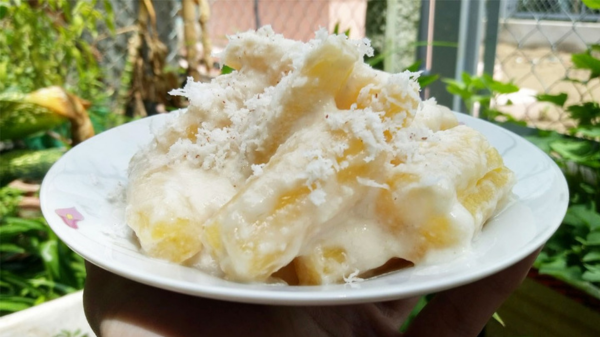
When the tapioca is soft and well-absorbed with the coconut milk, scoop it into a bowl and sprinkle with roasted sesame seeds or roasted peanuts to increase the aroma. The tapioca noodles with coconut milk can be enjoyed hot to feel the most fatty and chewy taste, or it is still delicious when cold. Each soft, clear tapioca strand blends with the rich coconut milk and the faint scent of pandan leaves to create a rustic but extremely attractive flavor. This is a simple but memorable dish, suitable for a light breakfast, afternoon snack or dessert for the family.
Notes when making coconut milk tapioca noodles
Coconut milk tapioca noodles are a rustic dish, but to create a delicious, soft and chewy product that retains the rich flavor of coconut milk, you need to pay attention to some important points during the processing. These notes not only help the dish meet the standard flavor but also ensure safety and increase the nutritional value of the dish.
Choose fresh tapioca, not bitter or wilted
One of the important factors that determine the deliciousness of coconut milk tapioca is the ingredients. Choose fresh tapioca, large, even tubers, fresh skin, not wilted or blackened. Avoid tubers with hard hearts or bitter taste because they will affect the softness and overall flavor of the dish. If possible, choose naturally grown tubers, without chemicals to ensure safety.
Prepare the tubers carefully
Before shredding, the tapioca needs to be peeled, the head, tail and heart removed. The heart is often hard and can cause a bitter taste. After shredding, soak the potatoes in water for about 15-20 minutes to remove the natural resin and toxins in the raw potatoes. Squeeze out the water before cooking to prevent the potatoes from becoming mushy and the coconut milk layer from being absorbed more evenly.
Choose quality coconut milk
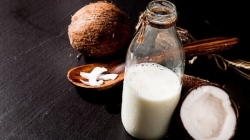
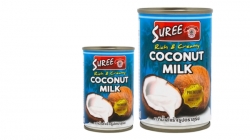
The quality of coconut milk largely determines the aroma and fat of the dish. You should use pure, fresh or canned coconut milk that is reputable, without impurities or preservatives. Pure coconut milk helps the potatoes absorb the fatty flavor, natural aroma and no strange smell. This is also a factor that helps the dish retain its beautiful ivory color and traditional flavor.
Adjust the heat and cooking time
The cassava fibers soften quickly, so when cooking, do not use too much heat because it will cause the potatoes to become mushy, crushed and the coconut milk layer to burn easily. Cook over medium heat, stirring gently and evenly to help the potatoes soften, the coconut milk layer to be absorbed evenly and retain its natural fat. Cooking time is usually about 15-20 minutes, depending on the softness of the potatoes and the consistency of the coconut milk you want to achieve.
Stir well but gently
Stirring evenly during cooking helps the potatoes not to stick together and absorb the coconut milk evenly. However, stirring too vigorously will cause the potatoes to break, lose their shape and reduce the aesthetic of the dish. Stirring gently and evenly is the best way to keep the potatoes soft and chewy but still intact.
Add optional flavors
You can add pandan leaves, a little salt, roasted sesame seeds or roasted peanuts to make the coconut milk tapioca noodles more delicious and attractive. Pandan leaves give the dish a natural aroma, sesame seeds and peanuts increase the richness and attractive flavor. Note that you should only add a moderate amount so as not to overwhelm the smell of pure coconut milk.
Store after cooking
The coconut milk tapioca noodles should be enjoyed immediately to feel the softness and full aroma. If left, let it cool completely and then put it in a sealed container, store in the refrigerator for a maximum of 2-3 days. Avoid leaving it in a humid place or leaving it in the air for a long time because the potatoes will quickly become mushy and lose their flavor.
Control the consistency of the coconut milk
Coconut milk that is too thin will make the potatoes bland and not fatty, and too thick will make the potatoes sticky and the coconut layer will burn easily. During the cooking process, you should monitor to adjust the amount of water, achieve a moderate consistency, soaking into each potato strand, helping the dish to be both soft and fatty, fragrant and attractive.
Where can I find reputable coconut milk ingredients to make quality cassava?
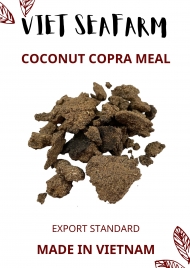
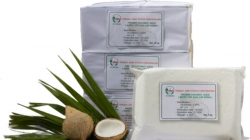
If you want to make delicious, soft and naturally fatty cassava noodles with coconut milk, choosing a quality source of coconut milk is very important. Vietseafarm is one of the reputable units, specializing in providing coconut products such as coconut milk, coconut cream, coconut powder, meeting all criteria of quality, safety and freshness.
Vietseafarm - reputable supplier
Vietseafarm is a company specializing in the production and trading of coconut products with strict quality control processes. Vietseafarm's products are selected from fresh coconut materials, ensuring natural white color, mild aroma, moderate fat taste and no preservatives or impurities. Thanks to that, when used to make cassava, coconut milk will help the dish retain its standard flavor, soft, fragrant and naturally sweet and fatty layers of cassava fibers.
Benefits of choosing Vietseafarm coconut milk to make cassava
Coconut milk has the right amount of fat, helping the cassava strands to adhere evenly to the milk layer, creating a soft and supple texture without being too mushy or too greasy.
The product retains the fresh coconut scent, making the cassava dish with coconut milk more attractive, appealing to the whole family.
Using reputable ingredients makes the dish both delicious and hygienic, suitable for both children and the elderly.
You can flexibly adjust the sweetness and fat according to your taste without worrying about affecting the flavor or quality of the cassava dish.
To make the cassava dish with coconut milk soft, fragrant and attractive, choosing reputable coconut milk from Vietseafarm is an important step. The product ensures quality, retains the natural flavor and helps you be proactive in processing, from which the cassava dish at home is always delicious and has the traditional taste.
Reference: https://vietseafarm.com.vn/-1
Views: 559
 Dec 11, 2025
- 0
 Dec 9, 2025
- 0
 Dec 9, 2025
- 0
 Dec 9, 2025
- 0
 Dec 8, 2025
- 0
 Dec 8, 2025
- 0
 Dec 2, 2025
- 0
 Dec 2, 2025
- 0
 Dec 2, 2025
- 0
 Dec 2, 2025
- 0
 Nov 23, 2025
- 0
 Nov 23, 2025
- 0
 Nov 23, 2025
- 0
 Nov 23, 2025
- 0
 Nov 18, 2025
- 0
.png)
.png)